Switzerland is known for precision, beauty, and a strong local identity. The same applies to weddings. There is no single national formula, which means that Swiss wedding traditions are diverse. You will find a mix of legal rules, family customs, language-region influences, and modern personal choices. That is what makes weddings in Switzerland both elegant and deeply local.
For expats and international couples, this can feel confusing at first. Some people expect a church wedding to be the legal step. Others assume there is one standard Swiss ceremony. In practice, wedding ceremonies in Switzerland are shaped by two layers: the official civil process and the cultural traditions couples choose to include before, during, or after the celebration.
This guide explains what traditional Swiss wedding customs really mean, how Swiss marriage rituals differ by region, and what matters most if you are planning a wedding in Switzerland today.
What Are Swiss Wedding Traditions?
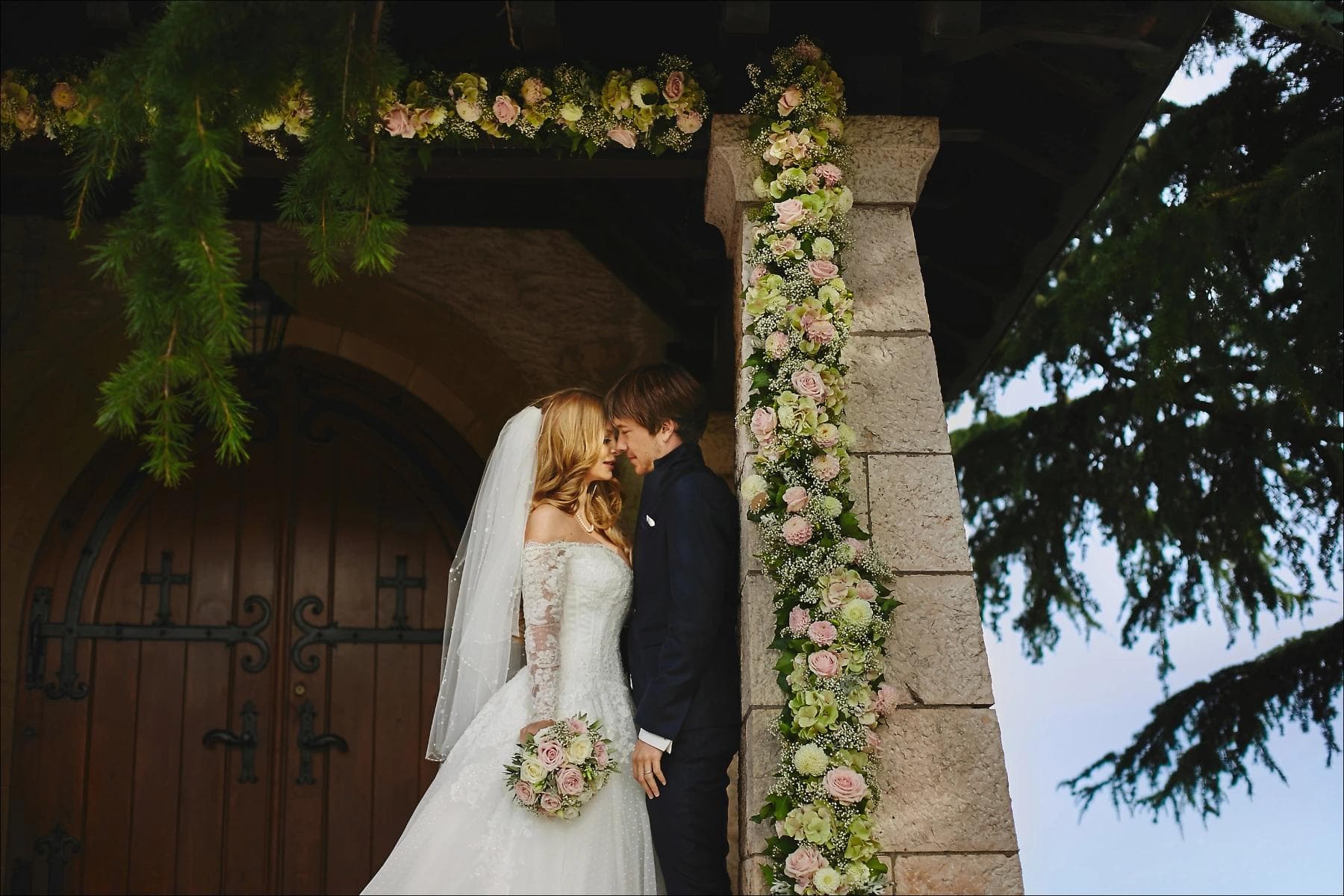
Swiss wedding traditions are the customs, rituals, and social habits that surround marriage in Switzerland. They include the legal civil ceremony, family gatherings, regional food and music, and local cultural touches that reflect the country’s diversity.
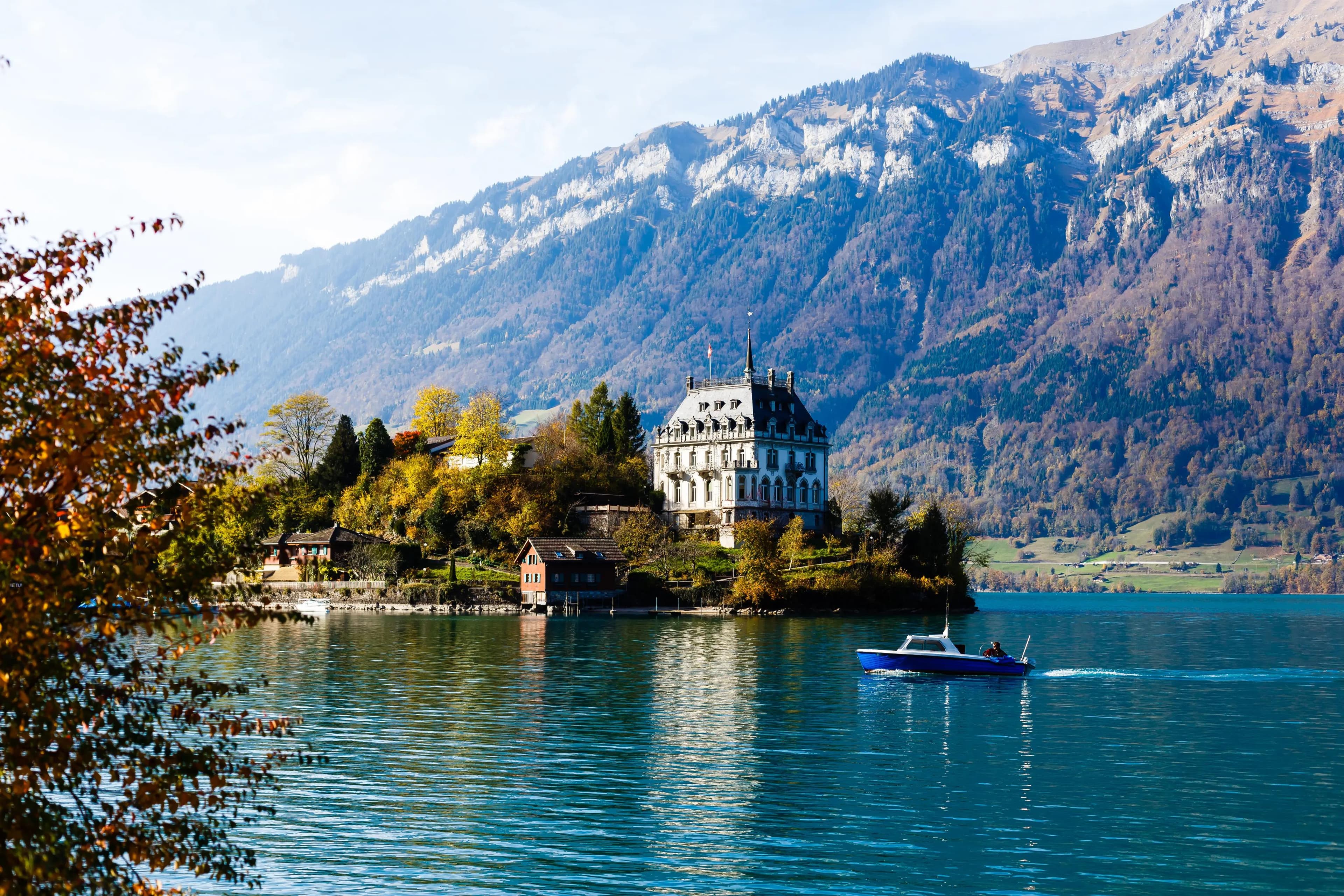
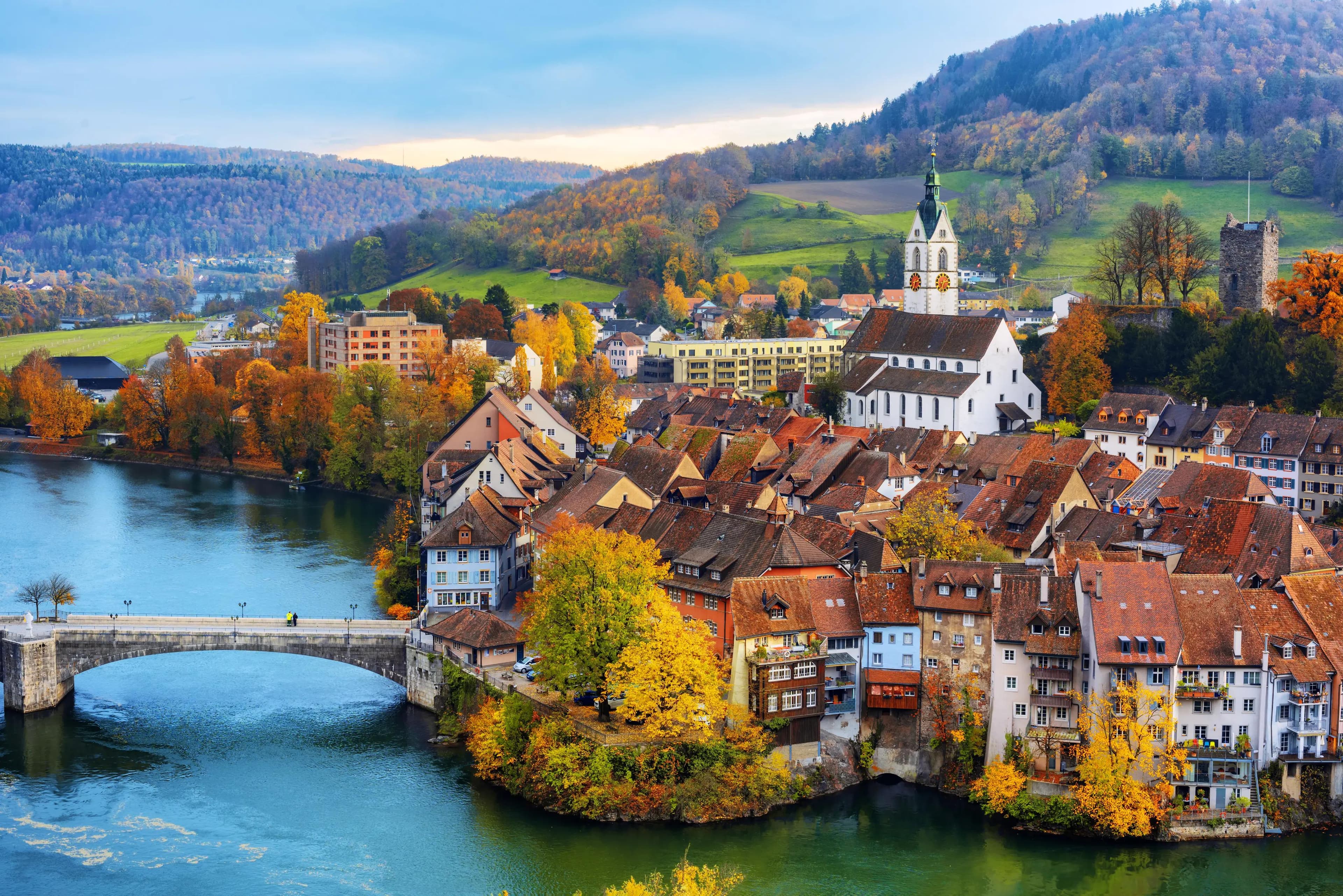
The key thing to understand is this: Switzerland is not culturally uniform. It has four national languages and strong regional identities. That means cultural traditions in Switzerland often change from one canton or language area to another. A wedding in Geneva may feel different from one in Appenzell, Valais, or Ticino, even though all are clearly Swiss.
So when people talk about Swiss wedding traditions, they are usually talking about a mix of:
legal marriage rules in Switzerland
local family customs
religious or secular preferences
regional wedding customs
modern wedding trends adapted to Swiss life
Why Swiss Weddings Feel Different
Many European countries have one dominant wedding model. Switzerland does not. Its wedding culture reflects a country built on strong cantonal and local traditions. Switzerland Tourism notes that local customs remain a living part of Swiss life. Meanwhile, the House of Switzerland highlights how clothing, ceremonies, and customs often reflect geography, religion, and social history.
That is why Swiss weddings often feel polished but personal. The structure tends to be organized. Hospitality is important. The regional identity still matters. Even when couples choose a modern celebration, they often keep some local elements through food, music, setting, dress, or family rituals.
How Weddings in Switzerland Work Today
Before looking at customs, it helps to understand the legal framework. In Switzerland, the civil ceremony is the only legally binding marriage ceremony. Couples must complete the official process with the civil registry office first. After that, they may hold a religious or non-denominational ceremony if they want.
The Swiss authorities also state that:
Both people must be at least 18
Both must have legal capacity
Neither person can already be married or in another registered partnership
Two adult witnesses with legal capacity must attend the civil ceremony
The marriage licence is valid for three months once approved
The marriage registry is one of the most important points for expats. In many countries, the symbolic or religious event is the main event in legal terms. In Switzerland, it is not. The civil ceremony comes first from a legal standpoint.
Another important point in 2026 is that same-sex marriage has been legal in Switzerland since 1 July 2022. Couples also have the option to enter a registered partnership as an alternative or prior step.
What Happens at a Typical Wedding Ceremony in Switzerland?
A modern Swiss wedding usually follows a simple logic. First comes the civil ceremony. Then comes the social celebration, which may include a religious service, an apéritif, a formal meal, speeches, games, dancing, and a late-night party. This depends on the couple’s style and region. The legal and festive parts are connected, but they are not the same thing.
In practice, many couples in Switzerland treat the civil wedding as a meaningful but efficient official step, then create the emotional or cultural experience through the rest of the day. This is where traditional Swiss wedding customs often appear.
Some common features of wedding ceremonies in Switzerland include:
a town hall or registry office ceremony
an apéritif with drinks and light bites after the ceremony
a long shared meal
family speeches or games
local wine, cheese, or regional dishes
optional folk touches, depending on the canton or family background
Not every couple includes every element. Swiss weddings today are highly adaptable. But the flow of ceremony, hospitality, and shared celebration remains a strong pattern. This is especially true for weddings that balance local culture with international guests.
Common Traditional Swiss Wedding Customs
1. The civil ceremony comes first
This is not just a custom. It is the legal rule. The civil register office is the foundation of marriage in Switzerland. Any religious or symbolic ceremony comes after the legal step.
2. The apéritif matters
In Swiss social life, the apéritif is not a small detail. It is often one of the most enjoyable parts of the day. Guests gather, talk, drink, and move from the formal tone of the ceremony into the celebration. This fits the broader Swiss hosting culture, where hospitality is calm, well-organized, and quality-focused.
3. Food is often regional
Because Swiss identity is so regional, wedding menus often reflect the place where the couple marries. Depending on the region, the meal may lean toward French-speaking refinement, Alpine specialties, or Italian-speaking warmth and abundance. That does not mean every Swiss wedding menu is traditional, but local food remains one of the easiest ways couples express regional identity.
4. Music and folk atmosphere may be added
Some couples keep things fully modern. Others add local music or references to Swiss folk culture. Switzerland Tourism notes that folk music, dancing traditions, and regional instruments remain part of the living Swiss tradition. In more tradition-oriented areas, these touches may feel natural rather than staged.
Swiss regions have different customs, traditions, and even speak different languages. The diversity shapes unique wedding styles across those areas.
French-speaking Switzerland
In the French-speaking cantons, weddings often feel elegant and understated. Food, wine, table setting, and the social quality of the reception may take center stage. The tone can be formal without feeling stiff. In cities like Geneva and Lausanne, international influence is also strong, so multicultural weddings are common in practice. This is an inference based on the region’s cultural profile and Switzerland’s big regional differences.
German-speaking Switzerland
In the German-speaking part of the country, weddings often reflect a strong sense of structure, family organization, and local community traditions. Depending on the canton, couples may include games, village customs, or more visible folk elements. Appenzell is one of the clearest examples of a place where Swiss traditions are still openly lived and celebrated.
Italian-speaking Switzerland
In Ticino and other Italian-influenced areas, wedding celebrations may feel warmer, longer, and more Mediterranean in spirit. The social rhythm, meal culture, and visual style may differ from a ceremony in Zurich or Bern. Again, this is less about hard legal differences and more about how local culture shapes the event.
Alpine and rural areas
Rural and mountain regions often hold onto tradition more visibly than urban centers. House of Switzerland points out that in rural Switzerland, customs remain tightly tied to identity and history. That helps explain why weddings in Alpine areas can feel especially rooted in place.
Appenzell is a Good Example of Swiss Tradition
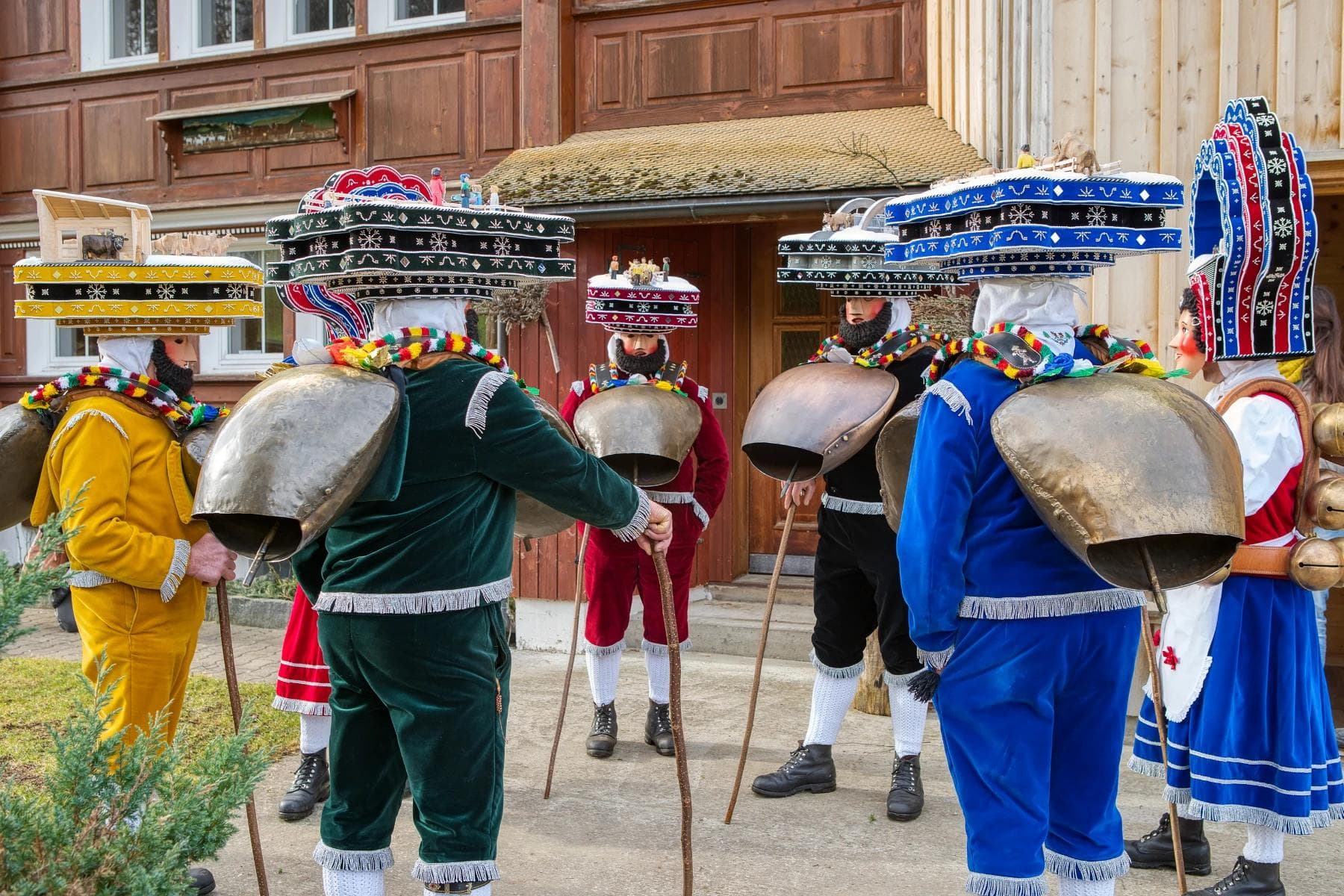
If you want one region that captures the idea of “traditional Switzerland,” Appenzell is a strong example. Switzerland Tourism describes Appenzell as a place strongly associated with yodelling, cheese, seasonal cattle processions, traditional dances, craftsmanship, and folk costume culture. It also recently featured Appenzell as a wedding destination where authentic Swiss traditions meet Alpine scenery.
This does not mean every Swiss wedding looks like an Appenzell wedding. It means Switzerland still has places where tradition remains visible, active, and marketable even in a modern wedding context. That is useful for readers because it shows that Swiss weddings are not only about paperwork or scenery. They are also about the cultural setting.
People in Appenzell still preserve traditional Swiss rituals.
Are Swiss Wedding Traditions Still Popular in 2026?
Yes, but they are more flexible than many people expect.
Swiss couples today do not need to choose between “fully traditional” and “fully modern.” Most do something in between. They follow the civil legal process, then shape the celebration around their values, budget, guest mix, and location. Some keep local food and music. Some focus on the scenery. Some create bilingual or multicultural weddings. Some prefer a very small civil event followed by a larger celebration later.
The broader marriage context in Switzerland also shows that marriage remains important, even though patterns are changing. According to the Federal Statistical Office, Switzerland recorded 36,769 marriages in 2024, down from 37,763 in 2023. The same source shows the average age at first marriage in 2024 at 32.4 for men and 30.5 for women.
That tells us something useful for search intent: Swiss weddings are not disappearing. They are becoming more selective, more personal, and often later in life. So readers are not only looking for folklore. They are looking for customs that still make sense in real Swiss weddings now.
What International Couples Should Know
For expats, the biggest mistake is focusing on style before process. In Switzerland, the legal structure matters first. That means checking your documents, visa status if relevant, timing, and the civil register office procedure before you book the cultural side of the event.
The official Swiss guidance also states that if you are not Swiss, you may need the correct visa or legal stay status until the marriage takes place. The registry office or Swiss representation abroad will tell you which documents are required for your case. See our latest guide to marriage in Switzerland for expats.
A few practical facts are especially useful:
The marriage licence is valid for three months
You can marry at your place of residence or another Swiss civil register office of your choice
The ceremony needs two adult witnesses
The civil ceremony usually costs around CHF 300 to CHF 400, with higher fees possible for special requests such as a Saturday wedding
This is exactly why a relocation-minded article works well for Relocation Genevoise. Many couples are not only planning a wedding. They are also dealing with a move, residence questions, housing, local administration, and settling into Geneva or another Swiss city.
Planning a wedding and a move to Geneva at the same time?
Relocation Genevoise helps expats and international couples handle the practical side of settling in Switzerland, from local admin support to housing and a smoother start in Geneva.
How to Plan a Wedding in Switzerland Without Losing the Local Touch
If you want your wedding to feel Swiss, but not touristy, the best approach is simple.
Start with the legal process. Then choose one or two meaningful local elements instead of trying to add every possible tradition. That usually works better and feels more natural.
For example, you might:
hold the legal ceremony at the registry office
serve a regional apéritif or menu
choose a canton or venue with strong local character
include bilingual touches for guests
add Swiss music, Alpine scenery, or local craftsmanship in a subtle way
respect the tone of the region rather than forcing a generic “Swiss theme”
That approach fits modern Switzerland well. It respects both the country’s formal structure and its local diversity.
Conclusion
Swiss weddings are beautiful, but not because they follow one rigid tradition. They are beautiful because they combine clarity and character. The legal side is straightforward: civil marriage is what makes the union official in Switzerland. The cultural side is where couples bring in family identity, regional customs, religion, food, music, and personal style.
That is the real meaning of Swiss wedding traditions in 2026. They are not one fixed script. They are a balance of law, place, and lived culture.
If you are planning a wedding while relocating, that balance matters even more. The smoother your administrative setup is, the easier it becomes to enjoy the celebration itself.
FAQ
No. Swiss wedding traditions vary a lot by language region, canton, religion, and family background. Local customs are a major part of wedding culture in Switzerland.