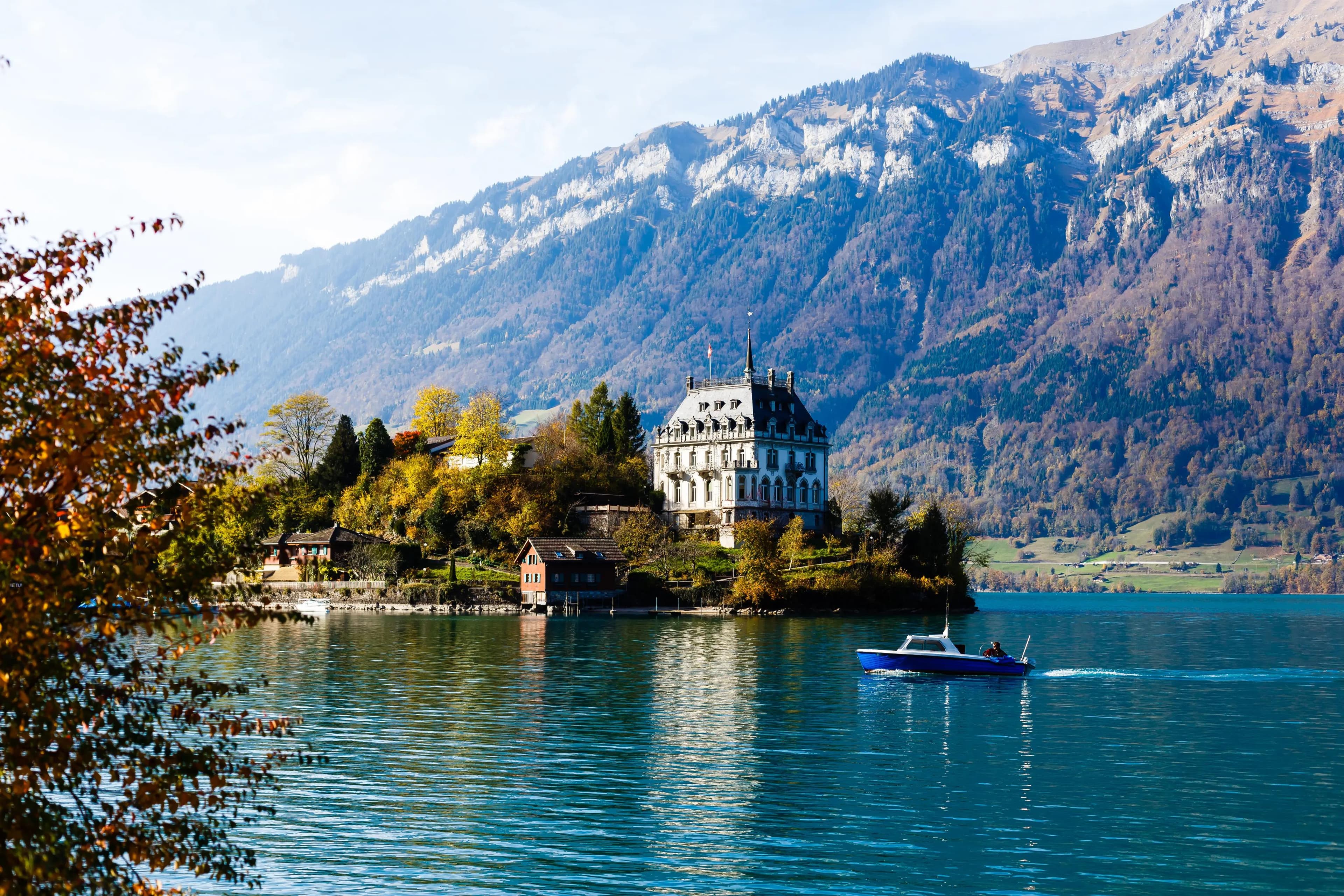
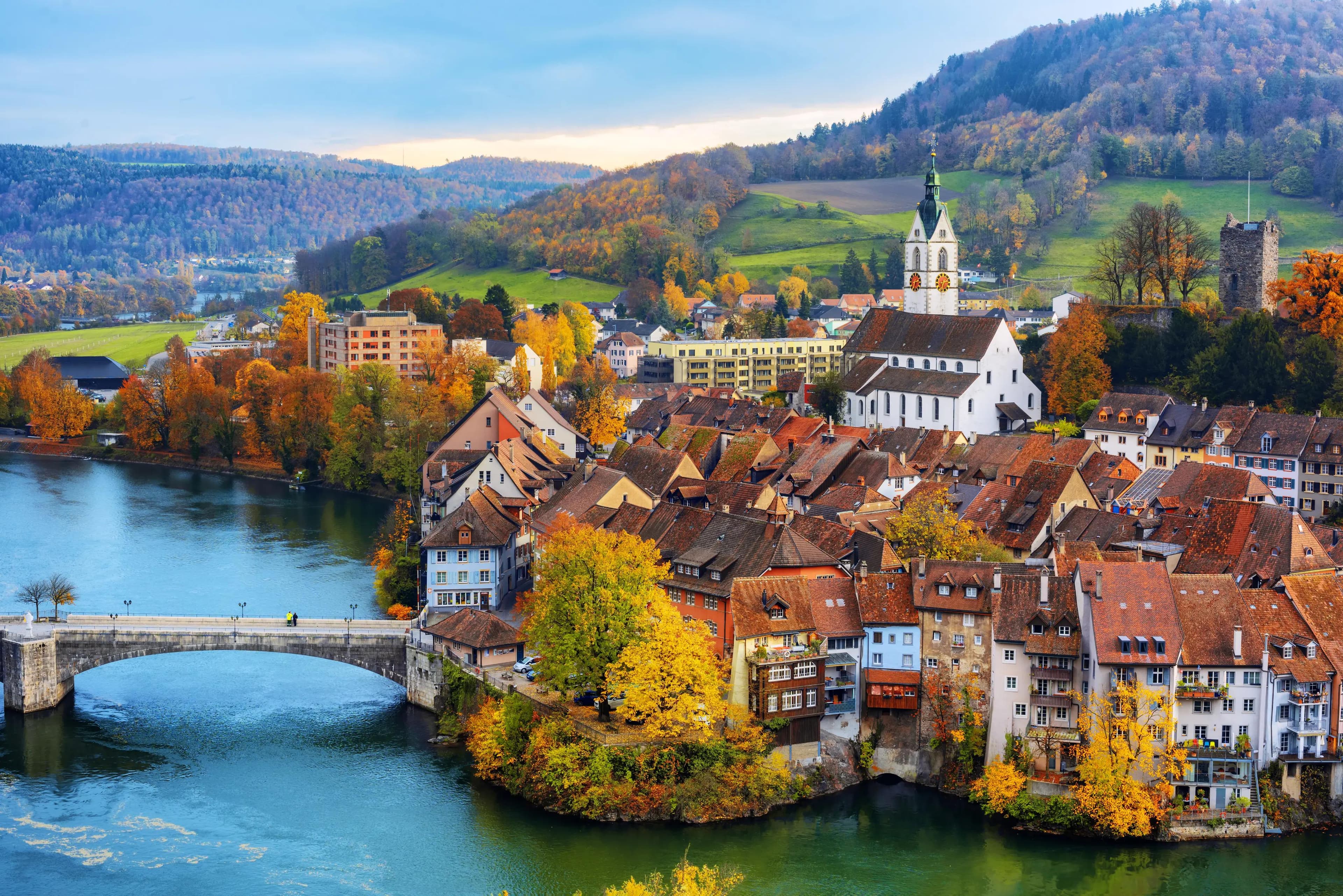
Switzerland is consistently ranked among the best countries in the world to live in. Strong salaries, reliable public services, stunning scenery, and a stable political environment make it attractive to professionals, families, and retirees from every corner of the globe.
But wanting to move there and actually doing it are two very different things.
The honest answer to "how difficult is it to move to Switzerland?" is: it depends. Your nationality, professional background, financial situation, and chosen canton all shape how smooth — or how challenging — the process will be. For some, it is a matter of registering at the local commune. For others, it involves quota systems, employer sponsorship, multi-stage permit approvals, and months of preparation.
This guide breaks down every major difficulty you are likely to face, with current 2026 figures and practical context for anyone considering a move.
It Starts With Your Passport: EU/EFTA vs. Non-EU Nationals
The single biggest factor in how hard it is to move to Switzerland is your passport. Switzerland operates a dual-track immigration system that creates very different experiences for EU/EFTA nationals compared to everyone else.
EU and EFTA Citizens: The Easier Path
If you hold a passport from a European Union or EFTA member state, moving to Switzerland is largely a matter of administration, not eligibility. Under the bilateral Agreement on the Free Movement of Persons, EU and EFTA nationals can enter Switzerland, take up employment, and establish residence without a visa or quota restriction.
What you do need:
A valid job offer, or proof of financial self-sufficiency if you are not employed
Registration at your local commune within 90 days of arrival
Swiss health insurance enrollment within 90 days
The administrative steps are real, but the door is open. You are not competing for limited slots or waiting for employer sponsorship approval.
Non-EU/EFTA Nationals: A Tighter, Quota-Controlled System
For Americans, Canadians, British nationals (post-Brexit), Australians, Indians, and all other third-country nationals, the process is significantly more demanding.
Switzerland allocates a fixed number of work permits annually to non-EU/EFTA nationals. For 2026, the Federal Council maintained quotas at the same level as 2025 — a total of 8,500 permits per year split between roughly 4,500 B-permits (long-term residence) and 4,000 L-permits (short-term, up to 12 months). These are distributed quarterly at the cantonal level, and popular destinations like Geneva, Zurich, and Basel fill their allocations early in the year.
To qualify, your Swiss employer must demonstrate that no suitable Swiss or EU candidate was available for your role — this is the labor market test, and it is a genuine hurdle. On top of that, you need documented professional qualifications, a salary at or above Swiss median levels, and cantonal approval before federal approval is even considered. Processing typically takes 4 to 12 weeks, and up to 15 weeks in complex cases.
UK nationals face an additional layer since Brexit. Switzerland classifies them as third-country applicants, with separate quotas — 2,100 B-permits and 1,400 L-permits for UK citizens in 2026, allocated across all cantons. These allocations fill quickly, particularly in Geneva.
Understanding which permit applies to your situation is essential before starting any application. Here is a clean overview:
Permit
Who It's For
Duration
L Permit
Short-term workers and employees
Up to 12 months
B Permit
Long-term residents with employment or proven self-sufficiency
1 year, renewable for up to 5 years
C Permit
Long-term settlement / permanent residency
After 5 to 10 years, depending on nationality
G Permit
Cross-border commuters living in a neighboring country
Annual renewal
Type D Visa
Non-EU nationals applying before arrival to live in Switzerland
Entry visa to obtain in-country permit
L Permit
Who It's ForShort-term workers and employees
DurationUp to 12 months
B Permit
Who It's ForLong-term residents with employment or proven self-sufficiency
Duration1 year, renewable for up to 5 years
C Permit
Who It's ForLong-term settlement / permanent residency
DurationAfter 5 to 10 years, depending on nationality
G Permit
Who It's ForCross-border commuters living in a neighboring country
DurationAnnual renewal
Type D Visa
Who It's ForNon-EU nationals applying before arrival to live in Switzerland
DurationEntry visa to obtain in-country permit
Swiss Permit Types
The C Permit (permanent residency) is the most secure but the hardest to reach. It requires years of uninterrupted legal residence, documented language skills, a clean administrative record, and evidence of integration. EU/EFTA nationals typically become eligible after 5 years; most non-EU nationals wait 10.
The 7 Biggest Challenges of Moving to Switzerland
Once you understand the permit framework, the next question is: what actually makes the process hard in practice? Here are the seven challenges that catch most people off guard.
1. Strict Permit Quotas and Heavy Administration
The quota system is not just a formality — it is a real constraint. Non-EU applicants are competing for a limited annual pool, and the process involves multiple approval stages: cantonal first, then federal. Documentation requirements are substantial. You will typically need a valid passport with at least six months of remaining validity, degree or professional qualification certificates, a formal employment contract, proof of salary at Swiss market levels, and passport-sized photos.
For specialized roles, the review can stretch well beyond the standard timeline. Starting the process well before your intended move date is not just advisable — it is essential.
2. The Swiss Housing Market Is Brutally Competitive
Even for EU nationals who sail through the permit process, finding somewhere to live can be the hardest part of the whole move.
Geneva's rental vacancy rate sits at approximately 0.34% — well below the Swiss national average and among the lowest of any major European city. Landlords regularly receive 50 to 100 applications per listing. Well-priced apartments are often taken within 24 to 48 hours of going live. Newcomers without a complete application dossier, local references, or professional support face repeated rejections before securing anything.
A standard Geneva lease also requires a deposit of two to three months' rent, placed in a blocked bank account. For a mid-range apartment, that means CHF 4,000 to 9,000 upfront before you have spent a single franc on moving costs or setup.
Our detailed guide on finding an apartment in Geneva walks through the full search process, what to prepare, and how to give your application the best possible chance.
3. The Cost of Living Is Among the Highest in the World
Zurich and Geneva consistently rank in the global top five for cost of living. This is not an exaggeration — it affects everything from your morning coffee to your monthly rent.
A one-bedroom apartment in central Geneva typically runs between CHF 2,000 and CHF 3,000 per month. A single person should budget CHF 4,000 to CHF 5,500 per month for a comfortable lifestyle, including rent, food, transport, and health insurance. Groceries cost roughly double what you would pay across the border in France.
The offsetting factor is salary. The Swiss median full-time salary sits at around CHF 80,000 per year, and skilled professionals in finance, pharmaceuticals, and technology regularly earn CHF 100,000 to CHF 150,000 or more. If your salary aligns with Swiss market rates, the high cost of living becomes manageable. If it does not, it can be a genuine shock.
4. Mandatory Health Insurance From Day One
Swiss law requires every person residing in Switzerland to enroll in basic health insurance — known as LAMal (Loi sur l'assurance-maladie) in French-speaking Switzerland and KVG in German — within 90 days of arrival. This applies to every nationality, without exception.
Missing the enrollment deadline means the cantonal authorities will assign you to a provider automatically and backdate premiums to your arrival date. The resulting bill is not pleasant.
The average basic premium in 2026 is approximately CHF 393 to CHF 465 per adult per month, depending on the canton, provider, and chosen deductible. Your deductible options range from CHF 300 to CHF 2,500 per year — a higher deductible means lower monthly premiums but more out-of-pocket costs when you visit a doctor.
5. Language Is Both a Practical and Integration Barrier
Switzerland has four official national languages: German (spoken by about 63% of the population), French (23%), Italian, and Romansh. The language in your canton matters enormously — not just for daily life, but for permit renewals and integration requirements.
Geneva is French-speaking, which makes it the most natural landing point for French speakers. English is also widely used in international organizations, multinational companies, and financial institutions. Many expats live and work comfortably in Geneva with strong English skills and basic French.
That said, B and C permit renewals increasingly factor in language integration. If you are planning to stay long-term, investing in French from the start is both practical and strategically smart.
6. The Job Market Favors Locals and EU Nationals First
For non-EU nationals, finding Swiss employment is not just about qualifications — it is about the legal framework governing hiring. Before an employer can sponsor a non-EU work permit, they must demonstrate that no suitable Swiss or EU candidate was available. This creates a structural disadvantage that makes the Swiss job market harder to enter than it appears from the outside.
The sectors most accessible to international talent are finance, pharmaceuticals, technology, and international organizations. Geneva specifically is home to more than 40 international organizations, including the United Nations, the World Health Organization, and the International Committee of the Red Cross. These institutions regularly recruit from a global talent pool and are experienced with the permit process.
Direct outreach to Swiss recruiters, particularly on LinkedIn, remains one of the most effective strategies for non-EU professionals looking to build a Swiss career.
7. Social Integration Takes Longer Than Expected
Switzerland has a reputation for being reserved, and it is reasonably well-earned. Swiss social culture is built around tight-knit local communities, and many newcomers find that building meaningful relationships with Swiss nationals takes considerably longer than in other countries.
Most expats build their social lives through international communities, professional networks, and expat associations rather than through immediate neighborly bonds. This is especially true outside Geneva — the city's unusually high proportion of foreign residents (over 40% of the population) creates a more internationally open environment than most Swiss cities.
Despite this, over 90% of expats report a positive quality of life in Switzerland once settled, according to Swiss Statistics Office data from 2025. The adjustment curve is real, but the long-term satisfaction rate is high.
Is Moving to Geneva Easier Than Other Swiss Cities?
For international professionals and families, Geneva offers some genuine advantages over Zurich, Basel, or Bern.
More than 40% of Geneva's residents are foreign nationals — the highest share of any Swiss city. The city hosts over 40 international organizations and hundreds of multinational companies. English is widely spoken in professional and social settings. And as a French-speaking city, it is more accessible for the large share of international professionals with French language skills.
Administratively, Geneva processes a high volume of international permit applications each year. Local agencies, régies, and support services are experienced with expat needs in a way that smaller Swiss cities are not.
If you are weighing which Swiss city to move to and you are not already tied to a specific employer's location, Geneva's international infrastructure can meaningfully reduce friction during your first months.
If your move is employer-driven, our corporate relocation services are specifically designed for companies bringing employees to Geneva — from permit support to housing search and school placement.
Step-by-Step: How the Switzerland Move Process Works in 2026
Here is the full process in sequence, from decision to settlement:
Step 1 — Determine your nationality pathway. EU/EFTA or non-EU changes the entire process. Know which track applies before anything else.
Step 2 — Secure a job offer (non-EU nationals: this is the prerequisite for everything else). Your employer initiates the permit application on your behalf.
Step 3 — Choose your canton carefully. Tax rates, language, housing costs, commute, and lifestyle vary significantly between cantons. This decision has long-term financial and daily-life implications.
Step 4 — Gather your documents. You will need: a valid passport (6+ months beyond intended stay), degree and qualification certificates, birth and marriage certificates if applicable, and your employment contract.
Step 5 — Permit application submitted by your employer. Cantonal approval first, then federal. Build in 4 to 12 weeks minimum.
Step 6 — Start your housing search early. Ideally three to six months before your move date. Use a relocation agency in competitive markets like Geneva.
Step 7 — Register at your commune within 14 days of arrival. Bring your passport, permit, employment contract, and proof of address.
Step 8 — Enroll in Swiss health insurance within 90 days. Compare providers and deductibles on Comparis.ch before choosing.
Step 9 — Open a Swiss bank account. Most banks require your residence permit and a salary certificate. Major options include UBS, Credit Suisse, and PostFinance.
Common Mistakes to Avoid When Moving to Switzerland
Most relocation problems are predictable. Here are the ones that consistently trip people up:
Waiting until after arrival to start permit paperwork. Non-EU processing takes months. Starting late means starting your job late — or not at all.
Underestimating housing competition. In Geneva and Zurich, a good apartment is gone within 48 hours. An incomplete application dossier or slow response is a disqualifier.
Missing the health insurance enrollment window. Retroactive billing from cantonal authorities is both expensive and administratively messy. Enroll within 90 days, full stop.
Choosing a canton without checking tax rates. Cantonal tax rates vary by as much as 10 to 15 percentage points. For higher earners, the right canton choice can save tens of thousands of francs annually.
Assuming English is enough in German-speaking cantons. In Zurich, Basel, or Bern, functional German makes daily administration and integration substantially easier.
Moving without any professional support for a non-EU application. The process is document-heavy, multi-stage, and unforgiving of errors. A single missing document can restart the clock.
FAQ
EU and EFTA nationals can move to Switzerland without a job offer, provided they can prove financial self-sufficiency — enough savings or income to cover living costs without working. Non-EU nationals cannot; a formal job offer from a Swiss employer is the prerequisite for entering the permit system.
Ready to Make the Move? Here's How We Can Help
Moving to Switzerland involves more decisions, documents, and deadlines than most people expect. In Geneva especially, the housing market, permit process, and administrative system all reward those who are prepared — and penalize those who are not.
Relocation Genevoise has supported individuals, families, and companies through the full Geneva relocation process for over 10 years and 1,500 satisfied clients. From housing search and permit guidance to school placement, bank account setup, and ongoing concierge support — our team handles the complexity so you can focus on your move.
Whether you are relocating alone, with a family, or as part of a corporate assignment, we offer personalized support at every stage.
Start Your Geneva Relocation With Us
Relocation Genevoise simplifies your relocation process. Our team helps you navigate every step of moving to Switzerland — from housing and permits to school enrollment and cultural orientation. Get in touch today.