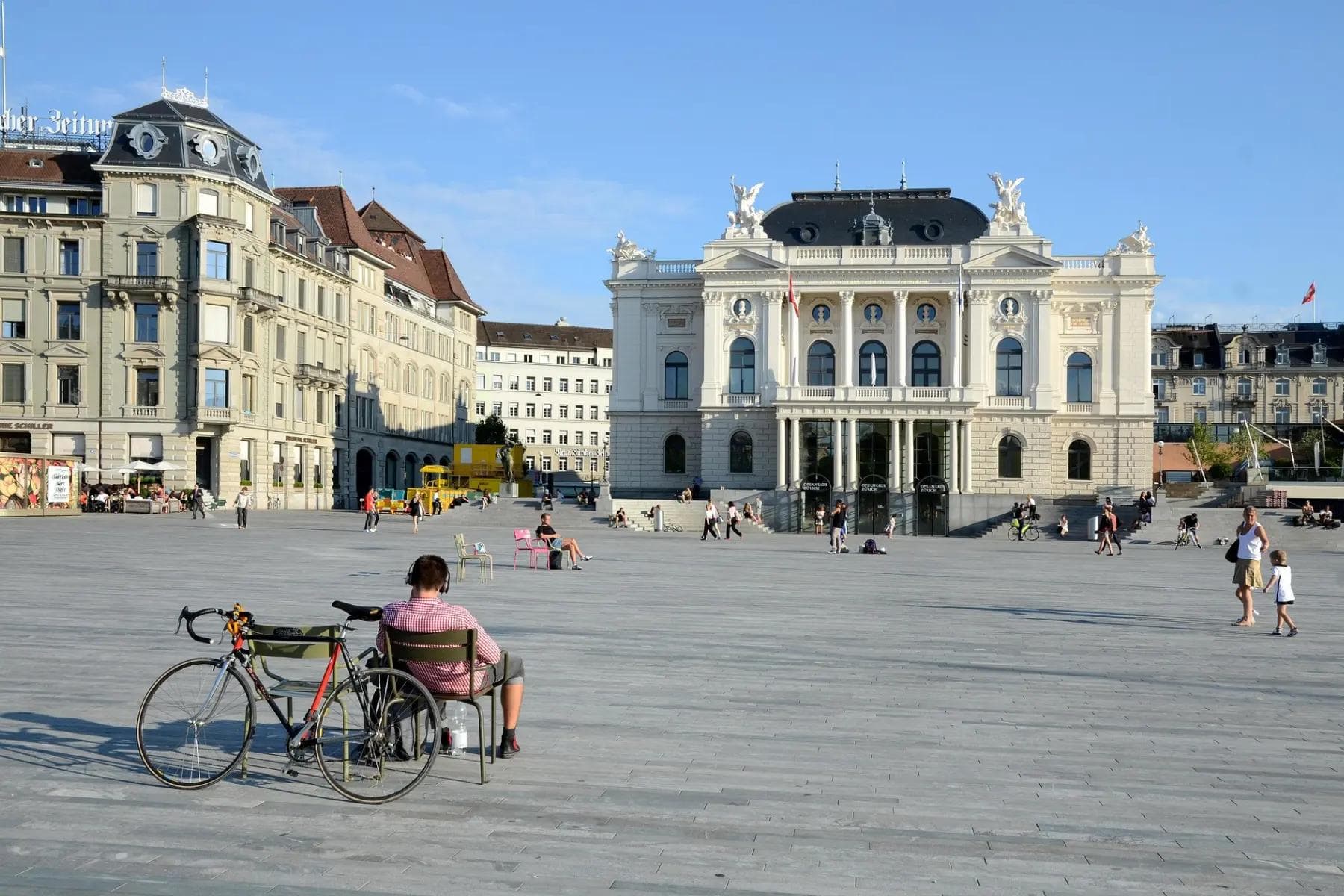
The cost of living in Zurich is among the highest in the world. Understanding it up front is essential for expats planning a move. As a global financial hub, Zurich is known for its clean streets, stunning lake views, and efficient public services, but these benefits come with a premium price tag.
Whether you’re relocating for work, studies, or family reasons, this guide from Relocation Genevoise breaks down the 2025 living expenses in Zurich. They include the costs of housing, groceries, transportation, health insurance, and everyday lifestyle expenses. By the end of the article, you’ll know what a realistic monthly budget looks like and how to plan smartly before settling in Switzerland’s most expensive city.
How the Cost of Living in Zurich Compares Globally
Zurich consistently ranks among the most expensive cities worldwide. It’s often positioned among the top three cities for cost of living, alongside global financial centers like Singapore and New York. This is due to high prices across essentials such as housing, food, transportation, and services.
Zurich's living expenses are high, but they come with excellent public services, high salaries, and a great quality of life, making it attractive to professionals, entrepreneurs, and expats.
Following the Zurich cost of living index, created by Numbeo, the cost of living in Zurich, including rent, is 5,9% lower than in New York. You have to pay about USD 11,297.9 (CHF 8,987.1), including housing costs in Zurich, to experience the same living conditions in New York with USD 12,000.0.
These numbers reflect not just the basic living expenses but also the wealth of opportunities and the exceptional infrastructure Zurich offers. The city is also well known for its safe environment, efficient public transport, and quality healthcare, all contributing to the city's appeal despite the high costs.
Housing Costs in Zurich: What You Really Pay
Rent Prices (2025)
Housing is usually your highest monthly cost when moving to Zurich.
Apartment Type
Monthly Rent (Approx.)
Studio / Small 1‑B
CHF 1,500–2,200
1‑Bedroom
CHF 2,000–3,000
2–3 Bedroom
CHF 2,800–4,200
Large / Family‑Sized
CHF 3,500–6,000+
Studio / Small 1‑B
Monthly Rent (Approx.)CHF 1,500–2,200
1‑Bedroom
Monthly Rent (Approx.)CHF 2,000–3,000
2–3 Bedroom
Monthly Rent (Approx.)CHF 2,800–4,200
Large / Family‑Sized
Monthly Rent (Approx.)CHF 3,500–6,000+
Housing costs in Zurich
These figures reflect unfurnished apartments—most Swiss rentals come without furniture or lighting fixtures, and you may need to budget extra for setup.
Competitive Market & Tips for Renters
Vacancy rates in Zurich are low, especially in central districts. Landlords often choose tenants based on the strength of their application, not just income. A complete rental dossier (work contract, permit, salary slips) can significantly improve your chances.
Tips to Secure a Rental:
Start early: Begin your search 2-3 months in advance, as rentals move fast.
Be ready: Have all documents prepared to apply immediately.
Consider suburbs: Areas like Kreis 3 (Wiedikon) or Kreis 4 (Aussersihl) offer more affordable options compared to central Zurich.
Grocery prices in Zurich are high compared with many European cities. Monthly groceries for one person typically range between CHF 500–700, while a family may spend CHF 1,200–1,600.
Example everyday prices (2025):
Loaf of bread: ~CHF 3.30
Milk (1L): ~CHF 2.30
Chicken (1kg): ~CHF 24
Eggs (12): ~CHF 8.30
Coffee (café): ~CHF 5–6
To save on groceries, most expats in Zurich shop at Migros or Coop, the two largest supermarket chains. They offer good value for money and have a wide selection of both local and international products. Meanwhile, discount stores like Aldi or Lidl can help cut costs. Meal planning and bulk buying can also reduce your monthly grocery bill.
Supermarkets in Zurich offer a wide selection of both local and international products.

Transportation: Public and Private Options
Public Transport Costs
Zurich’s transport system is modern, punctual, and widely used. The public transportation cost in Zurich is more efficient than that of owning a car:
Monthly ZVV pass: CHF 85–120
Single ticket (short zones): ~CHF 3–4
Swiss Half Fare Card (nationwide travel discounts): CHF 190/year
Public transit can take you almost anywhere in the city and to nearby towns quickly.
Public transport in Switzerland
Private Transport Costs
Car ownership adds a high cost:
Fuel: ~CHF 1.90/L
Parking: CHF 150–300/month
Insurance: CHF 100–200/month
For most expats, public transport, biking, or shared car services are more cost‑efficient than full‑time vehicle ownership.
Mandatory Health Insurance (Krankenkasse)
When living in Switzerland, you must have private health insurance, which isn’t subsidized by the state. The health insurance costs occupy a major portion of your Zurich living expenses. Monthly premiums vary based on your deductible and coverage choices. Average single adult premiums are typically in the CHF 300–500 range, with children costing less per month.
Swiss health insurance includes an annual deductible (“franchise”), which affects your monthly premium. Higher deductible plans reduce monthly costs but increase pay‑as‑you‑go medical expenses. If you earn a low income, you will be entitled to pay a reduced premium.
Lifestyle and Miscellaneous Expenses
Dining Out and Entertainment
Eating out in Zurich is pricey:
Casual meal: CHF 20–25
Dinner for two (mid‑range): CHF 80–120
Cinema ticket: ~CHF 23
Fitness, hobbies, and cultural events also add up, though Zurich’s outdoor lifestyle (lake swimming, hiking) can be low‑cost or free.
These are often paid separately from rent or bundled into your “Nebenkosten” bill.
Zurich’s High Salaries: A Counterbalance to Living Costs
So, what salary do you need to have a comfortable life in Zurich? One key advantage of Zurich is how salaries match its high cost of living. Zurich offers high salaries, especially in the financial, tech, and pharmaceutical sectors, which often offset the high cost of living. For example, a skilled professional in Zurich can expect to earn between CHF 7,500–8,000/month on average. This is significantly higher than in many cities worldwide, allowing residents to cover the cost of living comfortably.
Despite the high price tag, Zurich offers an exceptional social infrastructure, including a well-functioning healthcare system, public services, and a robust job market. This makes the high living costs manageable for most expats. Employers in Zurich tend to offer attractive salaries that take into account the high cost of living, making it an appealing city for top talent.
Example Monthly Budgets (Realistic Scenarios)
Expense Category
Single Professional (Comfortable Lifestyle)
Family of Four (Moderate Lifestyle)
Rent
~CHF 2,000
~CHF 4,200
Utilities + Internet
~CHF 300
~CHF 400
Health Insurance
~CHF 350
~CHF 1,200
Groceries
~CHF 600
~CHF 1,400
Transport
~CHF 100
~CHF 300
Dining & Entertainment
~CHF 400
-
Child-related Costs
-
Variable
Total
~CHF 3,750+
~CHF 8,000–10,000+
Rent
Single Professional (Comfortable Lifestyle)~CHF 2,000
Family of Four (Moderate Lifestyle)~CHF 4,200
Utilities + Internet
Single Professional (Comfortable Lifestyle)~CHF 300
Family of Four (Moderate Lifestyle)~CHF 400
Health Insurance
Single Professional (Comfortable Lifestyle)~CHF 350
Family of Four (Moderate Lifestyle)~CHF 1,200
Groceries
Single Professional (Comfortable Lifestyle)~CHF 600
Family of Four (Moderate Lifestyle)~CHF 1,400
Transport
Single Professional (Comfortable Lifestyle)~CHF 100
Family of Four (Moderate Lifestyle)~CHF 300
Dining & Entertainment
Single Professional (Comfortable Lifestyle)~CHF 400
Family of Four (Moderate Lifestyle)-
Child-related Costs
Single Professional (Comfortable Lifestyle)-
Family of Four (Moderate Lifestyle)Variable
Total
Single Professional (Comfortable Lifestyle)~CHF 3,750+
Family of Four (Moderate Lifestyle)~CHF 8,000–10,000+
Example of monthly living costs in Zurich
You’ll notice lifestyle, housing location, and whether children attend private or public school greatly influence the budget range.
Is Zurich Worth the Cost for Expats?
Despite its high living costs, Zurich remains a top destination for expats due to several key factors:
1. High Salaries and Economic Stability
Zurich offers high average salaries, particularly in finance, IT, and pharmaceuticals, which help offset the city’s living costs. The city’s strong economic stability ensures a robust job market, providing long-term security for skilled professionals.
2. Excellent Public Services and Safety
Zurich is renowned for its top-tier public services, including healthcare, education, and efficient public transport. Additionally, the city is extremely safe, with low crime rates and a well-maintained urban environment.
3. Access to Nature and Culture
Expats enjoy easy access to nature—with the Alps and Lake Zurich right on the doorstep. Zurich also boasts a vibrant cultural scene, with year-round festivals, museums, and events that enrich residents' lifestyles.
4. Strong Expat and Multilingual Community
Zurich’s multilingual community makes it easy for expats to integrate. English is widely spoken, and the presence of international businesses creates a strong support network for newcomers.
If you plan to move to Switzerland, especially Zurich, consider its pros and cons of living in this country and the cultures of the city to which you want to relocate.
Consider the pros and cons before moving to Switzerland, especially Zurich.
Smart Tips to Manage Zurich Living Expenses
Zurich’s high cost of living can be manageable with smart financial planning. Here are some tips to make the most of your income:
1. Choose Housing Strategically
Rent outside the city center in neighborhoods like Wiedikon (Kreis 3) and Zurich West (Kreis 5) for more affordable options. These areas are well-connected by public transport, saving you on commuting costs.
Consider shared apartments or flat-sharing to lower rent.
2. Use Public Transport Passes and Half-Fare Cards
Purchase a ZVV monthly pass for unlimited travel at CHF 85–150, depending on zones.
Get a Swiss Half Fare Card for 50% off on most public transport and travel throughout Switzerland at a lower cost.
3. Shop at Discount Supermarkets
Shop at Aldi and Lidl to save 20%–30% on groceries. These stores offer quality items at lower prices compared to Migros and Coop.
Look for weekly offers to maximize savings.
4. Cook at Home More Often
Cooking at home is cheaper than dining out. Plan meals and consider meal prepping for the week.
Shop smart, buy in bulk, and take advantage of store sales.
5. Minimize Non-Essential Spending
Enjoy free outdoor activities like lake swimming and hiking. Zurich also offers free cultural events and festivals.
Limit dining out and entertainment by opting for affordable local spots or home gatherings.
Ready to relocate to Zurich with less stress and more clarity?
From finding the right accommodation to navigating local bureaucracy, our expert team provides you with personalized support through every step of your move and starts your Swiss journey with confidence.
FAQ
Rent in Zurich varies depending on location. Expect to pay around CHF 2,000–3,000 for a one-bedroom apartment in the city center, and CHF 1,500–2,200 for one outside the center.
Conclusion: Planning Your Zurich Budget for 2025
Zurich is expensive, but with informed planning and a clear budget, it’s an achievable city for expats. From mandatory health insurance to housing and transport, knowing what to expect in 2025 will help you settle in smartly and confidently.
At Relocation Genevoise, we offer expert relocation services to guide you from finding the right accommodation to navigating local bureaucracy. Our team ensures a stress-free relocation experience tailored to your needs.