Driving in Switzerland in winter demands more than basic driving skills. Every year, colder temperatures, snow, and icy roads contribute to a noticeable increase in road accidents, especially in alpine and semi-rural areas. Many of these incidents do not involve reckless driving, but rather drivers underestimating winter road conditions.
For anyone that is living in Switzerland, understanding Swiss winter driving rules is a must. This article outlines traffic regulations, equipment requirements for winter driving, and alpine road safety. Relocation Genevoise will help expats and newcomers drive responsibly and legally while residing here.
What Makes Driving in Switzerland in Winter Different?
Winter driving in Switzerland stands apart from most countries due to a combination of geography, climate, and infrastructure.
First, Switzerland’s road network crosses:
High-altitude mountain passes
Steep inclines and descents
Narrow alpine roads with limited visibility
Second, winter weather can change extremely fast. A dry road in the valley can turn icy within minutes at higher elevations. Fog, black ice, and sudden snowfall are common, especially early mornings and evenings.
Finally, Swiss traffic safety data shows that winter road conditions are a major factor in seasonal accident spikes, particularly involving:
Inadequate tires
Loss of traction on descents
Misjudging braking distance on snow or ice
This is why Swiss winter driving focuses on prevention and preparedness, not reactive rules.
Swiss Winter Driving Rules You Must Know
Is Winter Tire Mandatory in Switzerland?
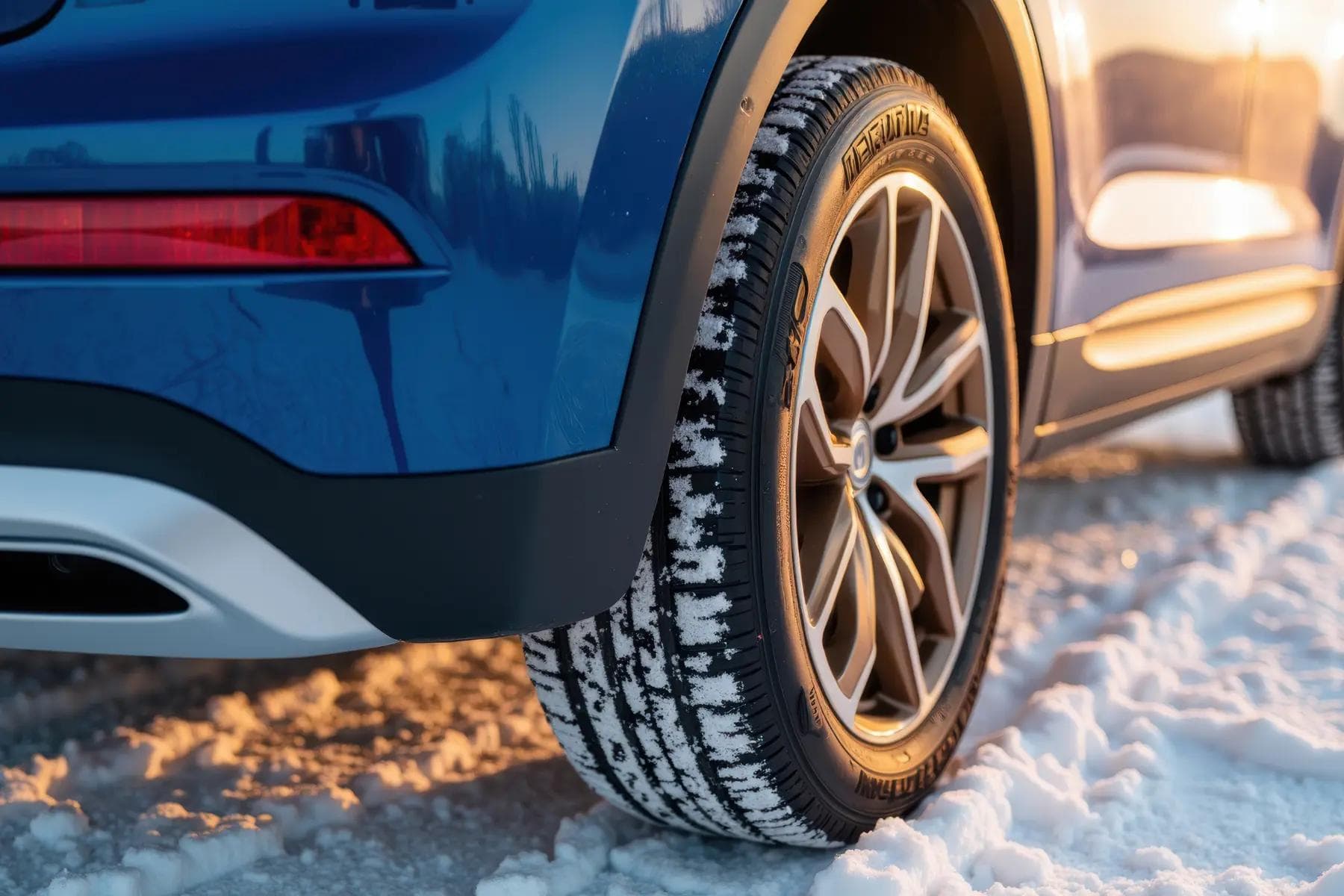
Switzerland does not impose a strict legal obligation to use winter tires. However, if the car accident is found to be caused by a lack of equipment for the car during winter, the driver must be responsible for it.
In reality, Swiss law operates on driver responsibility:
You must always maintain control of your vehicle
Your car must be suitable for road conditions
If unsuitable equipment contributes to an accident, you are legally at fault
This means that if you drive without winter tires during snowy or icy conditions:
You may face fines
You may be held responsible for damages
Your insurance can partially or fully refuse coverage
In practice, winter tires are expected, even if not explicitly mandated.
Minimum Tread Depth and Tire Requirements
Authorities may check tire condition after accidents or during winter controls.
Best practice in Switzerland:
Minimum legal tread: 1.6 mm
Recommended winter tread: at least 4 mm
Tires should carry M+S or 3PMSF (snowflake) markings
Drivers involved in winter accidents with worn tires often face shared or full liability, even at low speeds.
Winter Tires in Switzerland: What Expats Often Get Wrong
Winter vs All-Season Tires in Swiss Conditions
All-season tires are popular among newcomers, but they are often not designed for alpine winter driving.
Key differences:
Winter tires remain flexible below 7°C
They provide significantly shorter braking distances
They offer better traction on snow-covered inclines
In mountainous regions, relying on all-season tires increases:
Skidding risk
Brake overheating on descents
Accident probability in tight curves
This is one reason winter-related accidents are more frequent among tourists and newly arrived residents.
When to Install and Remove Winter Tires
There is no fixed legal date, but most Swiss drivers follow seasonal logic:
Install winter tires between October and early November
Keep them until late March or April, depending on altitude
In alpine cantons, winter tires may be necessary for longer periods due to persistent snow and cold temperatures.
Drivers should equip winter types for driving safety.
Snow Chains in Switzerland: When Are They Required?
Mandatory Snow Chain Road Signs
Snow chains: Switzerland's rules become strict once signage appears.
A blue circular sign with a tire and chains symbol means:
Snow chains are mandatory
Winter tires alone are not sufficient
AWD or 4x4 vehicles are not exempt
Failure to comply can lead to fines, forced turnarounds, or liability in case of an accident.
Choosing and Using Snow Chains Correctly
Many drivers carry snow chains but lack experience using them.
Important points:
Chains must match your exact tire size
Installation should be practiced before winter
Chains should be installed on driven wheels
Speed limits apply when chains are fitted
Incorrect installation is a common cause of vehicle damage and traffic obstruction in mountain areas.
Alpine Road Safety: Driving in the Mountains
Mountain Driving Tips for Winter Conditions
Mountain driving tips become critical in winter because mistakes are less forgiving.
Safe alpine driving includes:
Using engine braking to control speed
Avoiding constant braking on descents
Maintaining a wider safety distance
Driving smoothly without abrupt steering
Loss of control on downhill roads is one of the most common winter accident scenarios in the Alps.
Mountain Passes, Tunnels, and Closures
Winter weather can close mountain passes with little notice.
Drivers should:
Check real-time road conditions before travel
Respect closures and barriers
Follow official detours
Ignoring closures is considered a serious safety violation in Switzerland.
Essential Resources for Swiss Road Conditions
To ensure a safe journey, it is highly recommended to consult these official sources before traveling through mountain regions:
TCS (Touring Club Switzerland): The TCS website and mobile app are the gold standard for real-time road conditions, mountain pass closures, and weather-related hazards.
MeteoSwiss: The national weather app provides precise forecasts, including specific alerts for snowfall and black ice.
SRF/RTS Info: National radio traffic bulletins provide live updates on traffic flow and road incidents.
Swiss Map Mobile: A useful tool for visualizing topography and planning your mountain routes.
Practical Winter Driving Tips for Switzerland
Winter preparation involves more than just equipment. To minimize accident risks, drivers should adopt these recommended habits when heading out on winter roads:
1. Keep headlights on at all times
One of the most important safety habits in Switzerland during winter is to keep your headlights on at all times, even during daylight hours. This practice is required by law in adverse weather conditions, such as snow, fog, or heavy rain. The primary reasons for keeping headlights on are:
Improved visibility: Keeping your headlights on ensures that other drivers can see you clearly, even in poor weather or low-light conditions.
Legal compliance: In Switzerland, it’s mandatory to use headlights when driving in conditions where visibility is impaired.
Increased safety: It makes it easier for you to spot potential hazards on the road, such as pedestrians or other vehicles, in challenging conditions.
2. Remove snow from the entire vehicle, including the roof
Many drivers focus on clearing snow from their windshields and side mirrors, but snow on the roof of the vehicle can present a serious hazard. Snow or ice left on the roof of your car can:
Falling off while driving, obstructing the view of other drivers, or creating a road hazard.
Block visibility: When snow falls off the roof, it can cover your rearview or side mirrors, reducing your ability to see other vehicles or obstacles.
Lead to fines: In Switzerland, you can be fined for driving with snow on your roof if it causes safety risks for others.
Clearing the snow from the entire vehicle, including the roof, not only improves safety but also helps you comply with Swiss traffic regulations designed to minimize road hazards.
3. Park correctly to allow snow-clearing operations
Winter in Switzerland often brings heavy snowfalls, and municipalities rely on snow-clearing operations to keep roads safe. However, if you park your car in the way of snow plows, it can:
Delay snow removal: The unnecessary snow accumulation on the road may create dangerous driving conditions.
Lead to fines: If you park illegally, blocking snow plows or parking in restricted areas, you may face penalties.
Increase accident risk: A buildup of snow or ice on the road can lead to slippery driving conditions, putting everyone at risk.
By parking correctly and leaving enough space for snow-clearing operations, you contribute to the safety of the entire community and avoid unnecessary fines.
4. Carry a winter emergency kit with warm clothing, gloves, and basic tools
Even the most prepared drivers can find themselves stranded due to unexpected weather changes or accidents. Carrying a winter emergency kit in your vehicle is essential for ensuring your safety if you encounter such situations. This kit should include:
Warm clothing: Hats, gloves, and thermal layers will help you stay warm in freezing temperatures if you are stranded or need to leave your vehicle.
Basic tools: A flashlight, multi-tool, and tire repair kit can help you handle minor emergencies without waiting for assistance.
Non-perishable food and water: In case you get stuck for an extended period, having some snacks and water will help keep you energized and hydrated.
First aid kit: A basic first aid kit can make a significant difference in case of minor injuries until help arrives.
Having this kit readily available prepares you for unforeseen emergencies, reduces your vulnerability in extreme conditions, and ensures your safety while traveling in Switzerland’s harsh winter conditions.
Can You Drive with a Foreign Licence in Winter?
While foreign driver’s licenses are valid for up to 12 months after you establish residency in Switzerland, there are critical factors to consider:
The One-Year Deadline: You must exchange your foreign license for a Swiss one within your first year.
Driving Assessments: Following a winter accident, authorities may assess your driving suitability and familiarity with local conditions.
Liability Risks: Inexperience with alpine or winter driving can negatively impact your liability in the event of a crash.
Beyond legal validity, understanding Swiss road expectations is essential for your safety and legal protection.
Need Help Settling in Switzerland?
Relocation Genevoise assists expats with mobility, registration, car driving licence conversion, and car import. Therefore, you can relocate smoothly without any surprises.
Renting or Importing a Car: Winter Readiness Checklist
When renting a car in winter:
Confirm winter tires are installed
Ask whether snow chains are included
Review insurance terms for winter incidents
When importing a vehicle:
Equipment must meet Swiss safety standards
Inadequate winter setup may cause registration delays
Winter compliance is closely monitored during inspections
Conclusion
Winter driving in Switzerland demands awareness and preparation. Accident rates increase during winter mainly due to snow, ice, and challenging alpine road conditions. Swiss law places full responsibility on the driver, requiring vehicles and driving behavior to match the season. Winter tires and snow chains are essential for maintaining control and complying with local rules, especially in mountainous areas.
Above all, safe winter driving in Switzerland relies on anticipation—planning, adjusting early, and respecting rapidly changing road conditions.