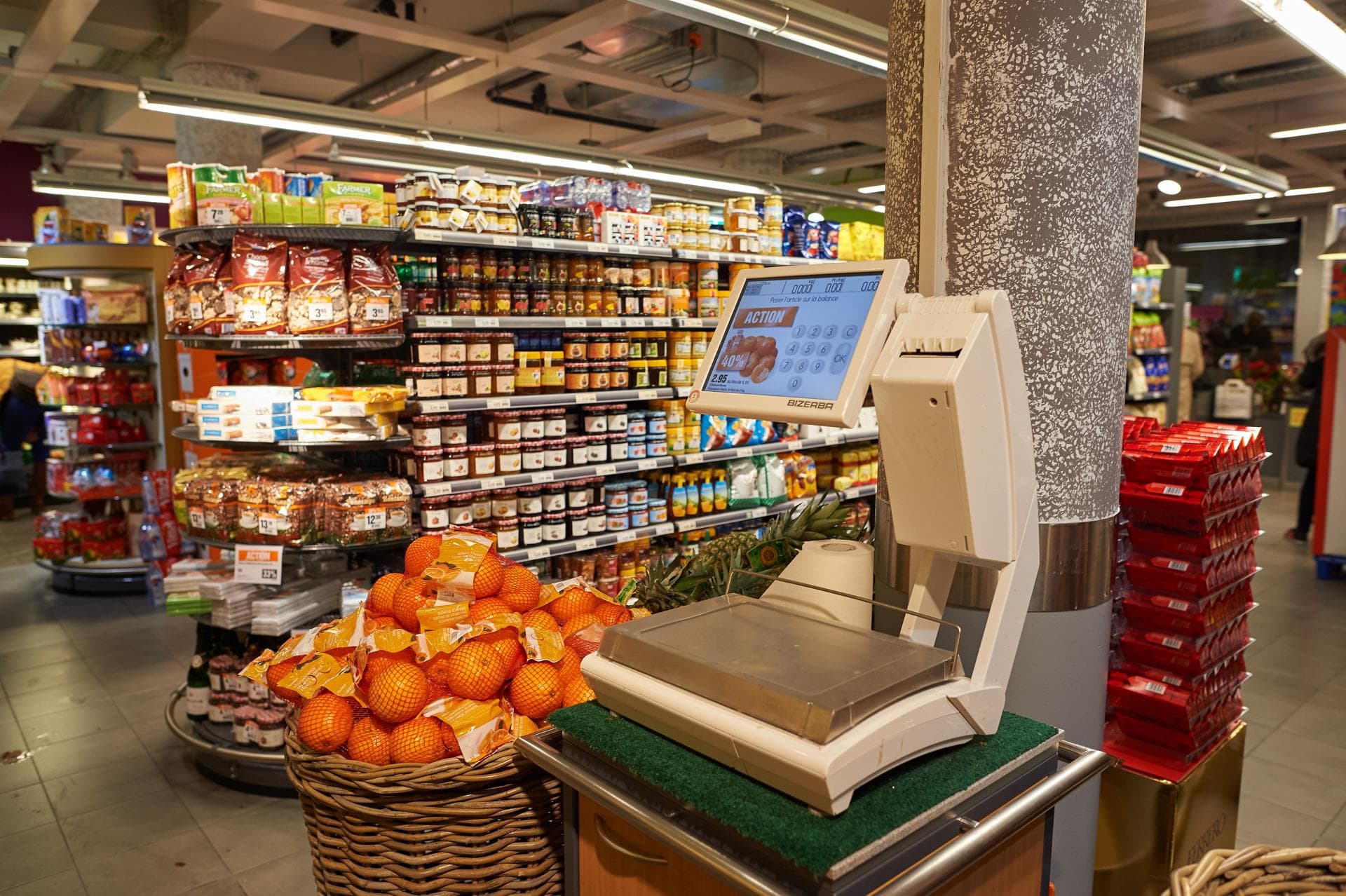
Welcome to Geneva! As you start settling into this beautiful and international city, one of the first things you’ll notice is how different the grocery experience can be, especially when it comes to prices and product choices. Whether you're an expat, a newcomer, or planning a move soon, understanding how supermarkets in Geneva work will make your daily life much easier.
This 2025 guide walks you through the major supermarket chains, shopping habits, costs, and the best places to find your favorite international ingredients, without overspending.
Overview of Switzerland’s Grocery Culture
Shopping in Switzerland feels different from many other countries, especially when you’re new to Geneva. The country is known for its high quality of life, and that standard extends to its food system—both in price and product quality.
Groceries in Switzerland are noticeably more expensive than in neighboring countries. On average, you can expect prices to be 25–50% higher than in France or Germany, with meat and imported branded items sitting at the top of the price range due to strict import quotas and higher labor costs.
The upside is that the quality is consistently excellent. Swiss supermarkets put a strong emphasis on fresh, local, and sustainable products, often marked with labels such as “Swiss Guarantee” or “Produit du terroir.” The market is led by two major cooperatives—Migros and Coop—which mainly offer their own high-quality private-label brands.
One of the biggest adjustments for newcomers is the limited shopping hours. Most supermarkets close early, between 6:00 PM and 7:00 PM, and they remain closed on Sundays. The only exceptions are shops inside major transit hubs like Cornavin train station or Geneva Airport, which follow special opening rules.
On the sustainability side, Switzerland performs exceptionally well: both Migros and Coop have extensive organic product lines, reduced-plastic initiatives, and options for reusable containers and bulk shopping.
6 Main Supermarket Chains in Geneva
Understanding the hierarchy of Swiss supermarkets is key to budgeting and finding what you need.
Product range & nicheDominant, focus on own-brand, no alcohol/tobacco
Offer delivery?Yes (Migros Online)
Coop
Price levelCHF 3/5 (Mid-to-High)
Product range & nicheHuge selection, sells major brands, and alcohol
Offer delivery?Yes (coop.ch)
Manor Food
Price levelCHF 4/5 (Premium)
Product range & nicheGourmet, fresh seafood, imported delicacies
Offer delivery?Limited/No dedicated grocery service
Denner
Price levelCHF 1/5 (Budget)
Product range & nicheDiscount, limited range, strong alcohol/tobacco selection
Offer delivery?Limited bulk options
Lidl & Aldi
Price levelCHF 1/5 (Hard Discount)
Product range & nichePrivate-label focus, rotating weekly specials
Offer delivery?No
Globus
Price levelCHF 5/5 (Luxury)
Product range & nicheHigh-end international cuisine, gourmet food hall
Offer delivery?No (In-store experience)
6 main supermarket chains in Geneva
1. Migros
Migros is Switzerland’s largest retailer and a staple of everyday life. As a cooperative, it’s known for quality, fair pricing, and strong community values.
Price & range: Mid-range prices with a huge assortment of fresh produce, bakery items, and household essentials. Migros does not sell hard liquor or tobacco in standard stores.
Delivery: Available through Migros Online (min. CHF 99; free over CHF 200).
Budget tip: M-Budget (green packaging) offers the lowest-cost versions of everyday essentials like milk, pasta, and cheese.
Why locals love it: Consistent quality, excellent ready meals, great bakery standards, plus the well-loved Migros Magazin with recipes and deals.
2. Coop
Coop is Migros’s main competitor and offers a wider selection, especially when it comes to branded goods and alcohol.
Price & range: Mid-to-high pricing, slightly above Migros. Sells all major alcohol brands, tobacco, and extensive organic (Bio) selections.
Delivery: Available via coop.ch (min. CHF 99.90; free over CHF 200).
Good to know: Prix Garantie is Coop’s budget line (yellow/blue packaging). Their weekly 50% promotions are some of the best grocery deals in Geneva.
Why locals shop here: Large variety, strong focus on sustainability, and excellent premium lines like Coop Fine Food.
3. Manor food
Found inside the Manor department store (main branch at Cornavin), Manor Food is the go-to for premium and gourmet shopping.
Globus is Geneva’s luxury grocery destination, ideal for food lovers seeking rare or premium ingredients.
Price & range: Luxury-level pricing. Expect international spices, gourmet meats, artisan chocolates, and an upscale atmosphere.
Delivery: No grocery delivery—meant for in-store browsing.
Best for: Hosting, celebrations, or hard-to-find specialty items.
Where to Find the Best Supermarkets in Geneva?
Because of Geneva’s compact layout, each neighborhood offers a slightly different grocery experience. Some districts are ideal for everyday shopping, while others stand out for specialty stores or access to budget-friendly chains.
In Plainpalais and Jonction, you’ll find one of the best mixes of Migros, Coop, Denner, and plenty of specialty shops. This area is popular with students and young professionals, and the weekly Plainpalais market is a great spot for fresh produce. You’ll also find many Asian and international grocery stores tucked into the side streets, making it easy to cook dishes from home.
Eaux-Vives and Champel cater to a more residential crowd with larger Migros and Coop branches, plus Manor Food and several organic supermarkets. These stores tend to carry more gourmet products, so it’s a convenient area for premium ingredients or high-quality fresh goods.
Near Cornavin and Paquis, you get the highest concentration of supermarkets in Geneva, including Migros and Coop inside the train station, as well as Manor and Globus just a short walk away. This area is your best bet for Sunday shopping, but it can be busy due to heavy foot traffic and its international community. The neighborhood also hosts numerous ethnic stores and specialty ingredient shops.
If you prefer a village-like feel, Carouge is known for its artisan bakeries, butcheries, small grocery chains, and charming local businesses. While it doesn’t have massive supermarket branches, the quality of individual shops is excellent, making it a favorite among locals.
For wider aisles and bigger carts, Meyrin, Vernier, and the International District offer larger-format Migros and Coop stores, along with the best access to Lidl and Aldi. These areas are ideal if you want more budget-friendly shopping or prefer the convenience of spacious commercial zones. You’ll also find the city’s best Asian markets nearby.
How Much Do Groceries Cost in Geneva?
Groceries in Geneva typically cost around CHF 400–600 per month for one person. Weekly, expect to spend roughly CHF 90–140, depending on where you shop and how often you buy meat or specialty items. Geneva is undeniably expensive, but knowing the price range helps you plan smarter.
Typical prices for common items:
Milk (1L): CHF 1.60–2.20
Eggs (12): CHF 5.00–7.00
Bread (500g): CHF 2.50–4.00
Chicken breast (1kg): CHF 20.00–28.00
When comparing stores, Migros is generally cheaper than Coop by about 5–10%, especially across their budget lines (M-Budget vs. Prix Garantie). For the best savings, Denner, Lidl, and Aldi offer staple goods up to 30% cheaper, making them ideal for basics like canned items, cleaning products, dairy, and eggs.
To stretch your budget further, consider a few expat-friendly strategies:
Cross-border shopping: Many residents buy meat, alcohol, and bulk groceries in nearby France for much lower prices.
Use budget lines: Stick to M-Budget or Prix Garantie for essentials like pasta, rice, sugar, and cheese.
Reduce meat intake: Swiss meat is one of the biggest drivers of high bills.
Hunt for yellow-sticker discounts: After 5 PM, stores markdown items nearing expiry by 25–50%.
For a complete financial picture of moving here, check out our full guide on the cost of living in Geneva.
Where to Buy International Food in Geneva?
Geneva’s multicultural community makes it surprisingly easy to find international groceries, especially around Paquis, Eaux-Vives, and the International District.
Asian supermarkets in Geneva
For Asian ingredients, shops like Asia Store on Rue Pradier offer a wide general selection, while Uchitomi in Rue Ferrier specializes in high-quality Japanese products. Yu Long Alimentation Asie on Rue Sismondi is another reliable choice, often open seven days a week and well-stocked with Chinese and broader East Asian staples.
Middle Eastern & Halal stores
If you’re looking for Middle Eastern or Halal items, stores such as Jasmine Food and HUNA World Food Market (with branches in Plainpalais and Paquis) carry essentials like zaatar, specialty rice, and fresh Halal meats.
African, Latin American and Eastern European shops
For African, Latin American, or Eastern European products, places like Los Tacos in Carouge are great for Mexican ingredients, while many small épiceries in Paquis discreetly stock African and Eastern European items that the big chains typically don’t carry.
Organic and vegan specialty stores
Geneva also caters to organic and vegan shoppers through stores like Bio c’ Bon and Migros’ Alnatura sections, which offer a wide selection of bio, natural, and health-focused foods across the city.
Shopping & Recycling Tips for Expats in Geneva
Shopping tips for expats in Geneva
Moving to Geneva means adapting not only to Swiss supermarket culture but also to local rules for waste, bags, and recycling. A few good habits will help you settle in smoothly and shop like a local.
When you shop, you’ll notice that stores like Migros and Coop no longer hand out free plastic bags as they used to — you often need to bring a reusable bag or pay a small fee if you request a bag at checkout.
Sorting waste and recycling properly is taken seriously in Geneva. Households must separate glass, PET bottles, paper, aluminium, and more. PET bottles and drink cartons have dedicated collection points (ecopoints) rather than going into regular trash.If possible, use reusable or compostable bags — especially for organic or kitchen waste; some municipalities even provide compostable sack options or bins for organics.
To save money and time:
Bring your own reusable shopping bags; they’re standard among locals.
Shop outside rush hours: the quietest times tend to be mid-morning (≈ 9:00–11:00) or mid-afternoon (≈ 14:00–16:00), avoiding midday lunch breaks and busy Saturday mornings.
Sign up for loyalty cards when you can (e.g., Migros Cumulus, Coop Supercard), even if you shop only occasionally; they can help you collect discounts and vouchers over time.
Finally, for everyday shopping and household items, you’ll find that combining smart choices (budget-label products, fewer impulse buys, buying seasonal produce) with local recycling and waste habits goes a long way. This not only helps reduce your cost of living but also helps you integrate sustainably into Geneva’s lifestyle.
Moving to Geneva? Let us make your everyday life easier.
Relocation Genevoise offers personalized relocation support designed to help you feel at home faster, from finding an apartment to navigating daily tasks like grocery shopping and setting up utilities.
FAQ
Yes, Geneva is known for higher grocery prices compared to many countries. But shopping at Denner, Aldi, or Lidl—and using loyalty cards—helps reduce costs.
Conclusion
Getting used to grocery shopping in Geneva takes a bit of time, but once you understand where to go and how to save, it becomes much easier. Use M-Budget and Prix Garantie for basics, plan your shopping before the weekend rush, and explore the city’s great specialty stores. With a little practice, you’ll settle in quickly and shop with confidence. Happy shopping! If you're looking for more guidance on getting settled and discovering Geneva, be sure to explore our relocation services.