Geneva is renowned globally as a center for diplomacy, finance, and international organizations. Less widely recognized, perhaps, is its status as a profound cultural and intellectual hub of Europe.
Despite the city’s size, its museums stand out, offering world-class collections and immersive experiences that reflect its global importance and Swiss heritage, making it a fantastic destination not just for visitors, but for those considering moving to the region.
This guide is designed for travelers, families, and culture lovers, offering a curated selection of must-visit cultural spots. You can expect a quick mention of variety across art, history, science, diplomacy, and watches, ensuring there is something for every interest.
What Makes a Museum Worth Visiting in Geneva?
What makes a museum worth visiting in Geneva
When planning a museum visit in Geneva, a few key factors help define its value. Cultural relevance is essential, especially for collections that reflect Geneva’s global role in diplomacy, humanitarian work, and international cooperation. Accessibility also matters. The best museums present information clearly in multiple languages, typically French and English, and often German or Italian as well.
Architecture and location add to the experience, whether through a striking building or proximity to major landmarks. Finally, free entry and family-friendly features make museums more accessible for visitors traveling with children or on a budget, enhancing Geneva’s reputation as an open and welcoming cultural city.
5 Best Museums in Geneva to Visit
Geneva may be compact, but its museum scene is remarkably rich. From world-class art collections to institutions that reflect the city’s global influence, these are the best museums in Geneva for visitors who want meaningful cultural experiences, whether it’s their first visit or a return trip.
Musée d’Art et d’Histoire (MAH)
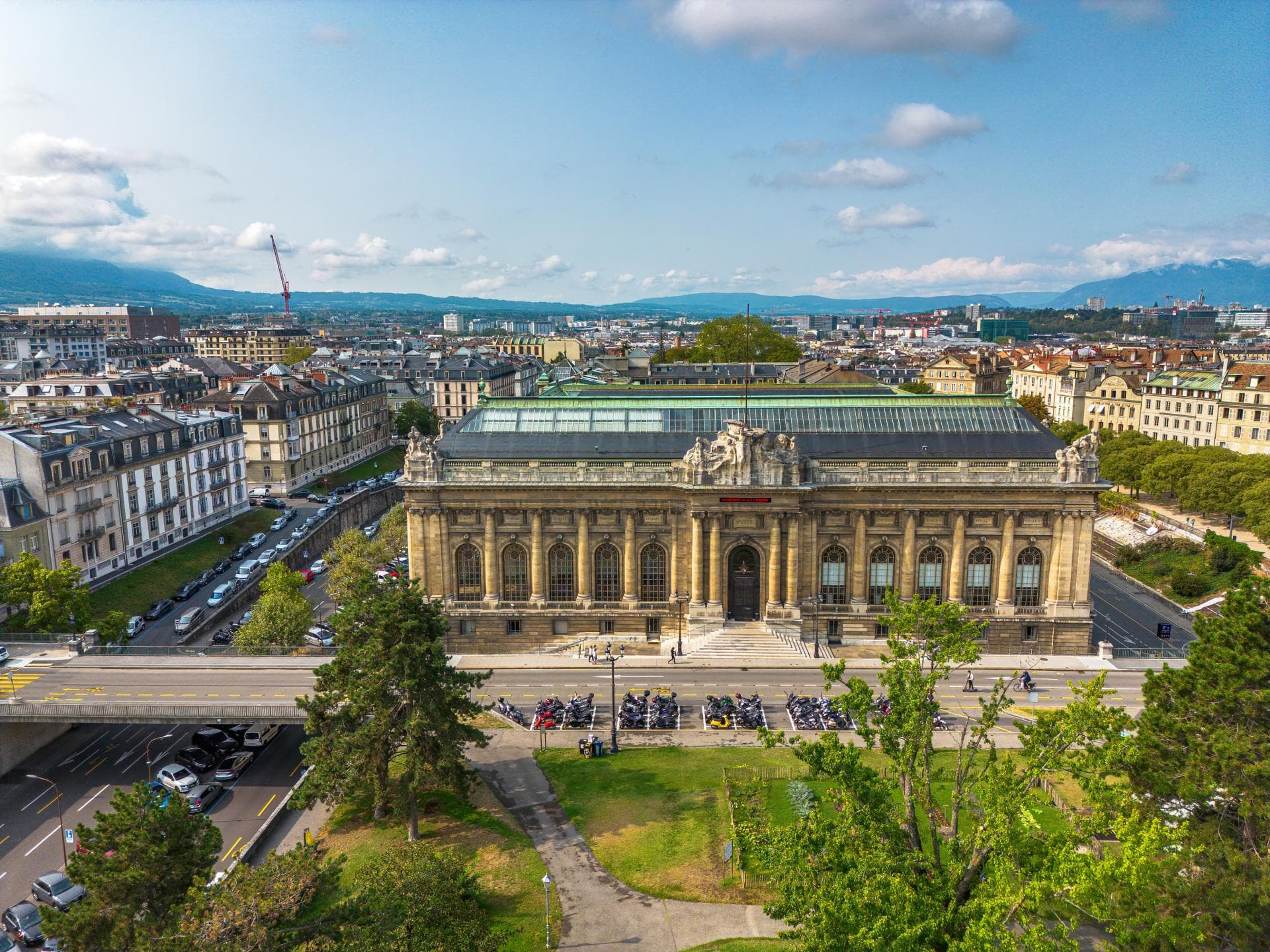
The Musée d’Art et d’Histoire (MAH) is Geneva’s largest and most comprehensive museum, making it an ideal starting point for first-time visitors. Its vast collections span fine art, archaeology, and applied arts, offering a broad overview of Geneva’s cultural and historical evolution.
Visitors can explore everything from ancient artifacts to European paintings and decorative objects, all housed in an impressive historic building near the Old Town. If you want one museum that gives you context and depth, MAH delivers both.
Patek Philippe Museum
The Patek Philippe Museum is one of the most famous museums in Geneva and a must-visit for anyone interested in Swiss craftsmanship. It traces the history of watchmaking from the 16th century to the present, showcasing exceptional timepieces, tools, and decorative arts.
Beyond luxury, the museum highlights why Geneva became the heart of haute horlogerie. Even visitors with little interest in watches often leave impressed by the artistry, precision, and cultural importance of Swiss watchmaking.
International Museum of the Red Cross and Red Crescent
The International Museum of the Red Cross and Red Crescent stands out for its emotional depth and global relevance. Rather than focusing on objects alone, it uses immersive exhibits, personal stories, and interactive displays to explore humanitarian action, conflict, and human dignity.
This museum reflects Geneva’s unique role as a center for diplomacy and international cooperation. It is especially meaningful for visitors interested in global issues, history, and human rights, and it consistently ranks among the city’s most impactful cultural experiences.
Musée Ariana
Often overlooked, the Musée Ariana is one of Geneva’s hidden cultural gems. It houses outstanding collections of European ceramics and Islamic art, presented in a stunning palace-like building near the UN district.
The museum combines art, craftsmanship, and architecture, visiting as much about the setting as the collections themselves. For travelers seeking something quieter and more refined, Musée Ariana offers a rewarding alternative to busier institutions.
Natural History Museum of Geneva
The Natural History Museum of Geneva is one of the city’s most popular museums, especially for families. Its extensive exhibitions cover dinosaurs, biodiversity, geology, and Swiss wildlife, all presented in an engaging and accessible way.
With free entry and interactive displays, it’s an excellent choice for visitors traveling with children or anyone looking for an educational yet relaxed museum experience. It also highlights Switzerland’s natural heritage, balancing Geneva’s strong focus on art and international history.
How Much Time Do You Need to Visit Geneva’s Museums?
Planning your visit helps maximize your experience:
One-day cultural itinerary: Focus on 2-3 major institutions located close to one another (e.g., MAH and Old Town sites, or Red Cross and UN).
Weekend museum plan: Allows time for the top five, plus time for walking and dining.
Balancing museums with outdoor attractions: Allocate time to visit Lake Geneva promenades or parks between museum stops.
Tips for Visiting Museums in Geneva in 2025
Best times to visit
Timing your visit can greatly affect your experience.
Weekday mornings, especially Tuesday to Thursday, are usually the quietest, allowing you to explore exhibitions at a relaxed pace.
Weekends, public holidays, and rainy days tend to attract more local visitors, particularly families.
If you plan to visit popular museums like the Musée d’Art et d’Histoire or the Red Cross Museum, arriving right at opening time can help you avoid queues and crowded galleries.
Language availability
Geneva museums are highly international and well-adapted to foreign visitors.
Most permanent and temporary exhibitions provide labels and explanations in French and English, with some also offering German or Italian. Audio guides are commonly available and often include multiple languages. Visitor information desks usually have English-speaking staff who can assist with maps, exhibition highlights, and practical questions. For expats planning a longer stay, understanding the characteristics of Swiss people can greatly enhance your integration and daily life.
Tickets, reservations, and guided tours
Before visiting, check the museum’s official website for up-to-date ticket prices, opening hours, and special exhibitions. Some museums offer online ticketing, which can save time and occasionally provide discounts.
Guided tours are available at many institutions and are especially valuable for museums with complex historical or political themes. These tours often require advance booking and run on fixed schedules, so planning ahead is recommended.
Accessibility
Most major museums in Geneva are wheelchair accessible and equipped with elevators, ramps, and adapted restrooms. However, older or historic buildings may have limited access in certain areas, so it’s wise to verify accessibility details in advance.
Many museums also provide lockers, cloakrooms, seating areas, and cafés, making it easier to plan longer visits.
Budget-friendly and free entry options
Several museums in Geneva offer free entry, either permanently or on specific days, making cultural visits accessible to all budgets. The Natural History Museum is free year-round, while others may have free Sundays or discounted evenings. Keeping an eye on museum calendars can help you maximize your cultural experience without overspending.
Other Cultural Places to Visit in Geneva
Beyond museums, Geneva offers a rich mix of historic sites, international institutions, and scenic cultural spaces that round out the city’s cultural experience. For comprehensive guidance on how to discover all that Geneva offers beyond the major tourist sites, check out our services.
Geneva Old Town landmarks
St. Pierre Cathedral is a must-visit for its archaeological remains and panoramic tower views. Maison Tavel, the city’s oldest private house, offers insight into daily life in Geneva through the centuries, while Place du Bourg-de-Four serves as the historic heart of the Old Town and a perfect spot to pause between visits. Together, these landmarks provide valuable historical context to the museum collections across the city. If you are considering staying long-term, read our insider's guide to Geneva's neighborhoods to find the perfect area to live.
Cultural institutions and international landmarks
The United Nations Office at Geneva (Palais des Nations) offers guided tours that explore the city’s global diplomatic role. Visiting these institutions helps travelers understand why Geneva is a center for humanitarian action and international cooperation.
Art galleries and contemporary culture spots
In addition to major museums, Geneva is home to independent galleries, cultural centers, and temporary exhibition spaces that showcase contemporary art, photography, and experimental works, offering a modern counterpoint to classical collections.
Parks, architecture, and scenic cultural walks
Parc des Bastions, with its iconic Reformation Wall, combines history and green space in the city center. Strolling along Lake Geneva’s promenades reveals scenic views, historic quays, and the Jet d’Eau, while architectural landmarks near museums, such as the Grand Théâtre, add depth and visual interest to cultural walks.
Planning a cultural trip to Geneva?
Geneva offers unforgettable experiences for every traveler. Plan ahead to make the most of your visit.
FAQ
The International Museum of the Red Cross and Red Crescent is perhaps the most famous internationally due to Geneva's role as the birthplace of the organization. The Musée d’Art et d’Histoire (MAH) is the most important in terms of collection size and historical scope for the region.
Conclusion
The best museums in Geneva reflect the city’s remarkable cultural range, from fine art and natural history to world-renowned watchmaking and humanitarian heritage. Instead of trying to visit everything, travelers will get more value by focusing on museums that match their interests and exploring a few lesser-known institutions.
Far from being only a business or diplomatic hub, Geneva stands out as a true cultural destination, and the best museums in Geneva clearly demonstrate that depth and diversity.