Is Switzerland a Direct Democracy? How Its Political System Works
Switzerland is the world's most advanced direct democracy. Learn how referendums, initiatives, and citizen votes shape the Swiss political system in 2026.
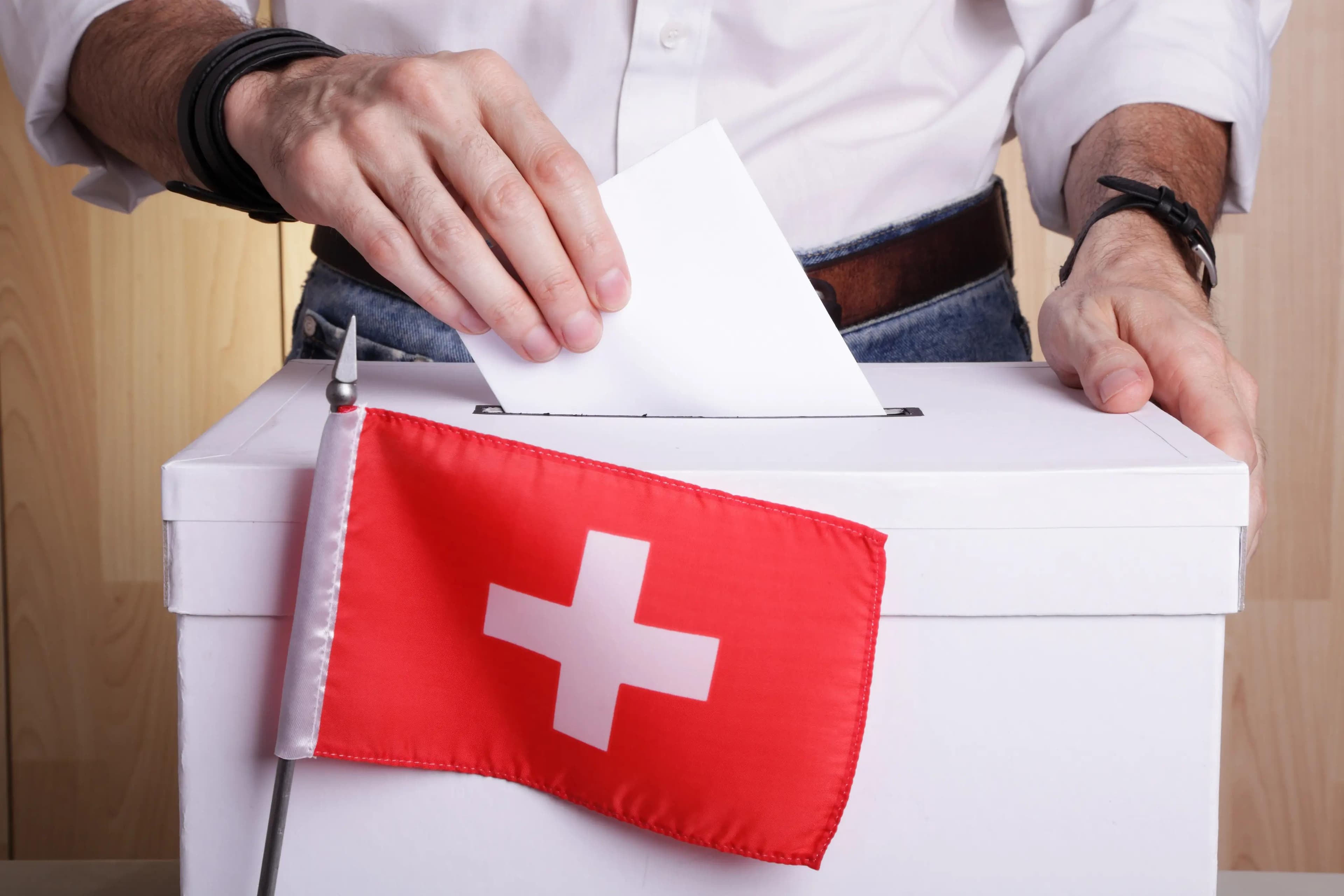
Switzerland is often called the world's oldest and most advanced direct democracy — and for good reason. While most countries rely on elected representatives to make decisions, Switzerland gives its citizens the power to vote on laws, reject legislation, and even propose constitutional changes. This isn't just a historical quirk. It's a living, breathing system that shapes everyday life in the country.
If you're planning to move to Switzerland or already living here, understanding how the Swiss political system works helps you make sense of the country — its pace, its consensus culture, and why things sometimes move slowly but almost always stick.
What Does Direct Democracy Mean?
Direct democracy is a system where citizens vote directly on laws and policies, rather than leaving all decisions to elected politicians. It's the opposite of a purely representative democracy, where you vote for a person who then votes on your behalf.
In practice, most modern democracies are a mix of both. But Switzerland takes citizen participation further than almost any other country in the world. Swiss voters head to the polls four times a year — in March, June, September, and November — to vote on a range of federal, cantonal, and municipal issues.
This isn't just symbolic. The results are legally binding. If a majority votes against a new law, that law doesn't pass. Full stop.
How the Swiss Political System Is Structured
Switzerland is a federal republic made up of 26 cantons (states). Power is deliberately spread across three levels: federal, cantonal, and municipal. This decentralization is a core feature of the Swiss political system — and it's what makes direct democracy work at scale.
At the federal level, Switzerland has a bicameral parliament:
The National Council (Nationalrat): 200 seats, representing the population
The Council of States (Ständerat): 46 seats, representing the cantons
But unlike most parliamentary systems, the Swiss parliament doesn't have the final word. Citizens do — through referendums and popular initiatives.
The Federal Council, Switzerland's seven-member executive body, governs by consensus. No single party dominates. The four largest parties share power under a formula known as the "magic formula," which has been in place since 1959 (with minor adjustments). This setup encourages compromise and makes Swiss governance unusually stable.
The Three Tools of Swiss Direct Democracy
The Swiss voting system gives citizens three main instruments to influence legislation:
1. The Mandatory Referendum
Certain decisions automatically go to a public vote. These include changes to the federal constitution, membership in international organizations, and urgent federal laws. No signatures needed — it's automatic.
2. The Optional (Facultative) Referendum
If 50,000 citizens sign a petition within 100 days of a new law being passed, that law must be put to a public vote. This gives citizens a direct check on parliament. If the majority votes against it, the law is rejected.
This is one of the most powerful tools in the Swiss voting system. It means parliament always has to consider public opinion — not just at election time, but every time it passes a law.
3. The Popular Initiative
This is where Swiss direct democracy gets truly unique. Any group of citizens can propose a change to the federal constitution. They need 100,000 valid signatures within 18 months. If they collect enough, the proposal goes to a national vote.
The initiative can propose anything — from banning nuclear power to capping executive salaries. Parliament can recommend acceptance or rejection, but the final decision belongs to the people.
For a federal initiative to pass, it needs a double majority: more than 50% of voters nationwide AND a majority in more than half of the 26 cantons. This protects smaller cantons from being outvoted by the larger, more urban ones.
Real Direct Democracy Examples from Switzerland
Swiss voters have decided on some genuinely landmark issues through referendums and initiatives. Here are some notable direct democracy examples:
2021 — CO₂ Act rejected: A climate law backed by parliament was rejected by 51.6% of voters, largely due to concerns about rising fuel and heating costs. It was a clear example of citizens overriding their own government.
2021 — Same-sex marriage approved: Swiss voters approved marriage equality with 64.1% in favor, making Switzerland one of the later Western European countries to do so — but through a direct popular vote.
2023 — 13th pension payment approved: In a surprise result, Swiss voters approved a 13th monthly pension payment for retirees, despite government and parliamentary opposition. The initiative passed with 58.2% support.
2024 — Electricity Act approved: Voters backed a major energy transition law with 68.7% support, paving the way for expanded renewable energy infrastructure.
2025 — Healthcare cost initiative rejected: A proposal to cap health insurance premiums at 10% of household income was rejected, though the debate highlighted ongoing concerns about rising healthcare costs.
These examples show that Swiss voters don't always follow the government's lead. They vote based on their own judgment — and the results stick.
How Often Do Swiss Citizens Vote?
Swiss citizens vote up to four times per year at the federal level. Each voting day can include multiple items — sometimes five, six, or even more separate questions. Add cantonal and municipal votes, and a politically engaged Swiss resident might vote on 10–20 issues per year.
Voter turnout varies. For federal votes, it typically ranges between 40% and 60%, depending on the topic. Highly contested issues — like immigration, pensions, or energy — tend to draw higher participation.
Voting is done by post in most cantons, which makes it convenient. You receive your ballot in the mail, fill it in at home, and send it back. Some cantons also allow e-voting, though the rollout has been gradual due to security concerns.
Can Foreigners Vote in Switzerland?
At the federal level, only Swiss citizens can vote. But Switzerland has one of the most nuanced approaches to foreign resident voting rights in the world.
Several cantons — including Neuchâtel, Jura, Fribourg, and Vaud — allow foreign residents to vote in cantonal or municipal elections after a certain period of residency (usually 5–10 years). Geneva, notably, does not grant cantonal voting rights to foreigners, though the debate resurfaces regularly.
As an expat living in Switzerland, you won't have a say in federal votes. But understanding the system still matters — because the outcomes affect your daily life, from healthcare costs to housing regulations to transport infrastructure.
Why Direct Democracy Works in Switzerland
Switzerland's direct democracy model works for several reasons that are specific to the country:
High civic literacy
Swiss citizens are accustomed to reading detailed voting booklets (the "Abstimmungsbüchlein") that explain each proposal, including arguments for and against. This culture of informed voting has developed over generations.
Decentralized power
Because decisions are made at multiple levels — federal, cantonal, and municipal — the system doesn't get overwhelmed. Local issues stay local.
Consensus culture
Swiss political culture values compromise. The goal isn't to win at all costs — it's to find solutions that enough people can live with. This makes the system more durable.
Institutional trust
Swiss citizens generally trust their institutions. Voter turnout, while not always high, is consistent. And when a vote is lost, the losing side typically accepts the result and moves on.
None of this means the system is perfect. Critics point out that direct democracy can slow down necessary reforms, that well-funded campaigns can distort public opinion, and that minority rights can sometimes be put to a majority vote. These are real tensions. But the Swiss model has proven remarkably resilient over more than 150 years.
Switzerland vs. Other Democracies: How Does It Compare?
To put Switzerland's system in context, here's how it compares to other democratic models:
No other country comes close to Switzerland's level of institutionalized citizen participation at the national level. Countries like California or Oregon have ballot initiative systems, but these exist only at the state level and don't carry the same constitutional weight.
Direct Democracy and Daily Life in Switzerland
For expats, the most visible effect of Switzerland's direct democracy is the pace of change. Things move slowly here — deliberately so. A new policy doesn't just need parliamentary approval; it needs to survive the possibility of a referendum challenge.
This affects everything from urban planning to public transport to tax policy. It's one reason why Switzerland tends to be stable, predictable, and well-governed — qualities that make it one of the most attractive destinations for international relocation.
Understanding the Swiss political system also helps you understand Swiss culture. The emphasis on consensus, the distrust of concentrated power, the respect for local autonomy — these aren't just political values. They're woven into how Swiss people interact, negotiate, and make decisions in everyday life.
What This Means If You're Moving to Switzerland
If you're relocating to Geneva or anywhere else in Switzerland, getting familiar with how the country governs itself is one of the best ways to understand your new home. Here's what the direct democracy system means for you practically:
Stability: Laws and policies that survive a referendum challenge tend to be durable. You're unlikely to see sudden policy reversals.
Predictability: The four annual voting dates create a regular rhythm. Major policy changes are announced well in advance.
Community engagement: Even if you can't vote, you'll notice the voting culture around you — posters, debates, newspaper coverage. It's part of Swiss civic life.
Long-term planning: Because change is slow and deliberate, Switzerland is a good place for long-term planning — whether for business, family, or personal finances.
You can explore what life in Geneva looks like or get a broader picture of the country in our articles.
Ready to Make Switzerland Your Home?
elocation Genevoise is here to make the process smooth and stress-free. From finding the right neighborhood to handling the paperwork, our team knows the local landscape inside out.
Conclusion
Switzerland's direct democracy is more than a political system — it's a reflection of the country's values: transparency, accountability, and respect for every citizen's voice. It's one of the reasons Switzerland consistently ranks among the world's best places to live, work, and raise a family.
If you are planning a move to Geneva or the surrounding area, contact us for a smooth relocation process. Our local team helps make your transition smoother, faster, and easier, so you can settle into your new environment with confidence.